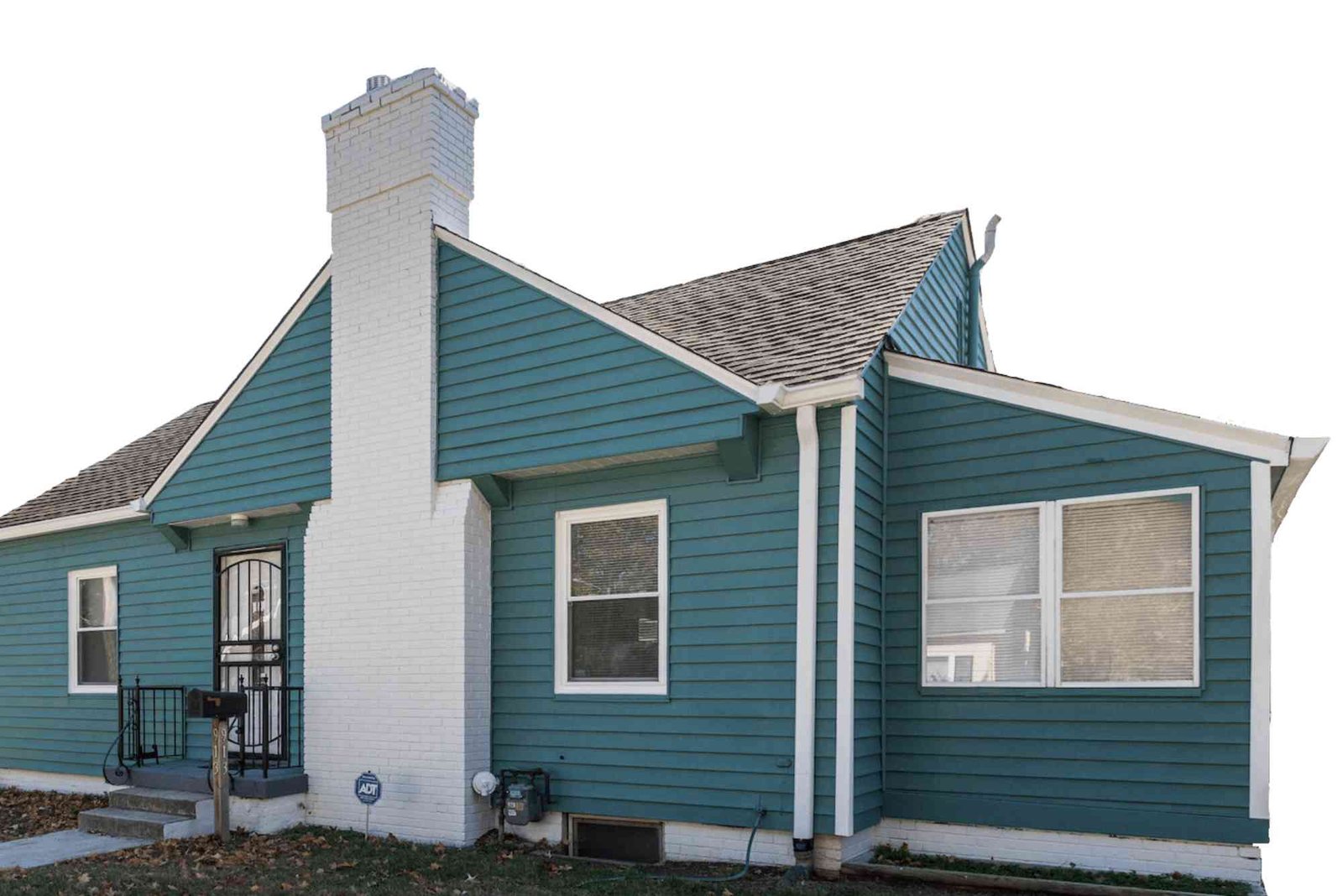

What Happens To A House When The Owner Dies
Losing a loved one is a deeply emotional experience, and dealing with their property can be overwhelming. Understanding what happens to a house when the owner dies is essential for families and heirs to navigate the process smoothly. This guide explains legal procedures, inheritance options, and practical steps to manage a deceased person’s home.
Understanding the Legal Status of the House
Probate and Its Role
When a homeowner dies, their property typically goes through probate—a legal process that validates the will and distributes assets. Probate ensures that debts are paid, taxes are settled, and the house is legally transferred to the rightful heirs.
Role of the Executor
The executor, often named in the will, manages the estate, including the house. They handle paperwork, pay debts, and oversee the transfer of property. If there’s no will, the court may appoint an administrator.
Intestate Succession
If the owner dies without a will, the estate follows intestate succession laws. These laws determine who inherits the house, usually prioritizing spouses, children, and close relatives.
Inheritance Options for the House
Transferring Ownership to Family
A house can be passed directly to family members as specified in a will or through intestate succession. This transfer requires updating the title with the local land registry.
Joint Ownership Considerations
If the house was jointly owned with rights of survivorship, it automatically passes to the surviving owner. This avoids probate but requires submitting proper documentation.
Selling the House
Heirs may decide to sell the property to divide proceeds. The executor can facilitate the sale, ensuring debts and taxes are cleared before distributing profits.
Gifting or Donating the House
Sometimes, heirs choose to donate the property to a charity or another party. This decision may have tax implications and should follow legal procedures.
Managing Debts and Taxes
Mortgage and Outstanding Loans
If the deceased had a mortgage, the debt does not disappear. Heirs may need to continue payments, refinance, or sell the property to settle the loan.
Property Taxes
Property taxes owed at the time of death must be paid from the estate. Related Blog article Failure to pay taxes can lead to liens or forced sales.
Estate Taxes
Depending on the estate’s value, heirs might owe federal or state estate taxes. Planning ahead can minimize the tax burden.
Practical Steps for Heirs
Securing the Property
Immediately secure the house to prevent damage, theft, or unauthorized access. Change locks if necessary and maintain insurance coverage.
Assessing the Property’s Value
Hire a professional appraiser to determine the fair market value. Accurate valuation helps in selling, distributing, or reporting the property.
Communicating with Professionals
Consult estate lawyers, accountants, and real estate agents. Professional guidance ensures legal compliance and smooth transfer of ownership.
Settling Utility Accounts
Close or transfer utility accounts, including electricity, water, and internet, to avoid ongoing charges.
When Disputes Arise
Common Disputes
Family disagreements often arise over who should inherit the house or its value. Understanding legal rights and wills can prevent conflicts.
Mediation and Legal Recourse
Mediation or court intervention can resolve disputes. What Happens To A House When The Owner Dies Lawyers can guide heirs through litigation if disagreements escalate.
Protecting Your Interests
If you are an heir, keep records of communications, legal documents, and property assessments to protect your rights.
Selling vs. Keeping the House
Benefits of Keeping the House
Keeping the property preserves family heritage and can be a long-term investment. Consider maintenance costs, taxes, and emotional attachment.
Benefits of Selling the House
Selling provides liquidity and allows heirs to divide proceeds fairly. This may be preferable if multiple heirs are involved or the home is difficult to maintain.
Steps to Sell
Hire a real estate agent, stage the property, and market it effectively. Ensure all legal documentation is complete for a smooth transaction.
Planning Ahead to Avoid Complications
Importance of a Will
A clear will simplifies the transfer process. It specifies who inherits the house and reduces the likelihood of disputes.
Trusts and Joint Ownership
Using trusts or joint ownership can bypass probate and streamline property transfer. This strategy ensures faster access to the property for heirs.
Communicating Your Wishes
Inform family members of your plans for the house to avoid confusion or disagreements.
FAQ
What happens if the house has a mortgage?
If the owner dies with a mortgage, heirs must continue payments, refinance, or sell the house to settle the debt.
Can a house be inherited without a will?
Yes, intestate succession laws determine inheritance if there’s no will, usually favoring spouses and children.
How long does it take to transfer a house after death?
The process can take several months to over a year, depending on probate, legal issues, and estate complexity.
Do heirs have to pay taxes on an inherited house?
Heirs may owe estate taxes depending on the property’s value and local regulations. Consulting a tax professional is advised.
Can a house be sold immediately after the owner dies?
Not usually. The executor must first settle debts, taxes, and legal obligations before the property can be sold.
Can multiple heirs inherit a house together?
Yes, but co-ownership can lead to disputes. Legal guidance or selling the property may be necessary to divide assets.
How can I protect a house from disputes after death?
Having a clear will, trust, or joint ownership arrangement reduces disputes and ensures smooth transfer.
Understanding what happens to a house when the owner dies helps heirs navigate a complex and emotional process. From probate to inheritance, debts, taxes, and property management, being informed ensures smoother property transfer. Planning ahead with a will, trust, or joint ownership can reduce stress for your loved ones.
If you want to learn more about managing estates and property transfers, consult legal professionals or check out our related blog article for step-by-step guidance. Taking action now can protect your family and preserve your assets.