
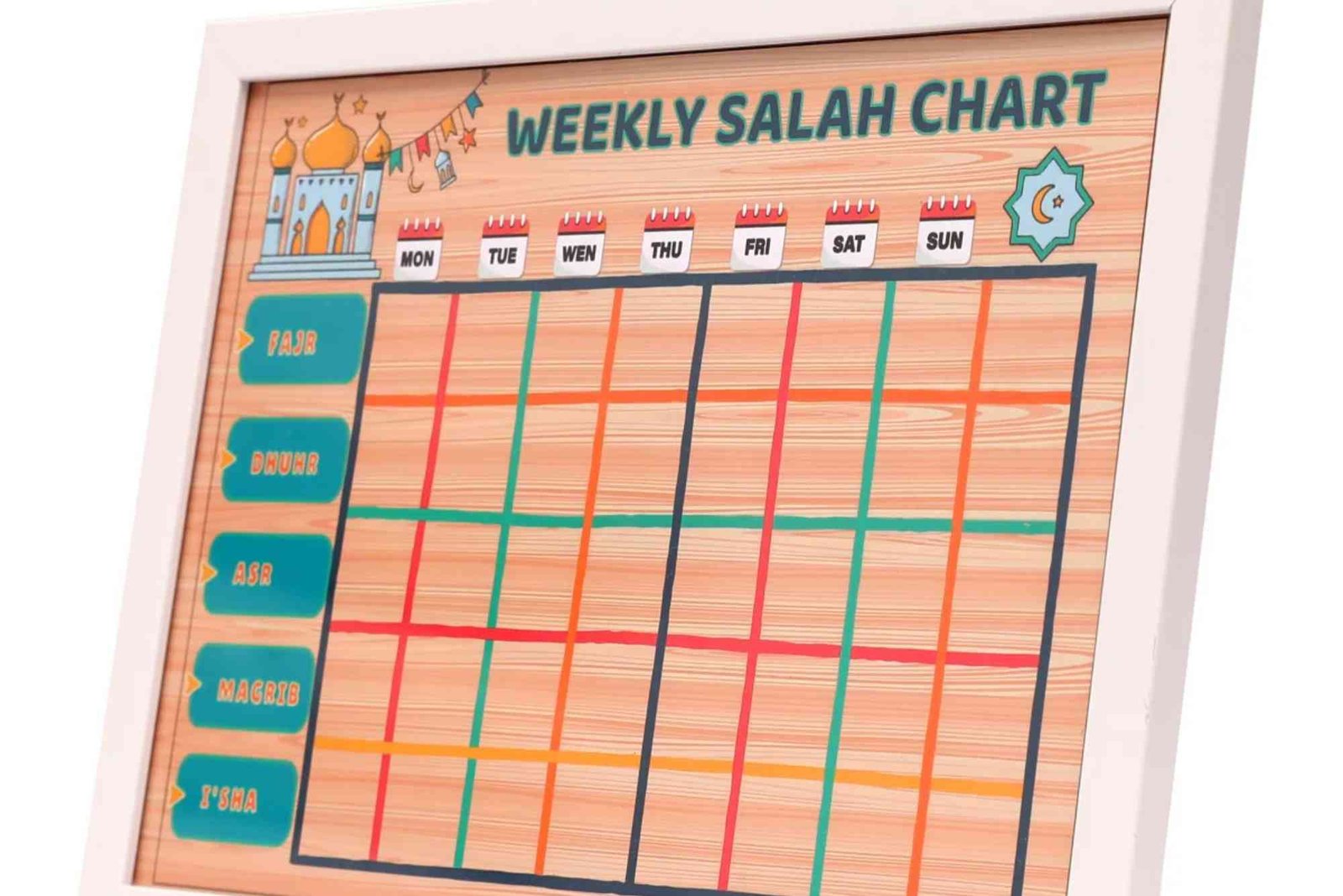
Salah Timetable: A Complete Guide to Daily Prayers
Maintaining a consistent prayer routine is essential for Muslims worldwide. A Salah Timetable helps ensure prayers are performed at their correct times, strengthening your spiritual connection. With changing daylight hours and seasonal variations, relying on an accurate timetable simplifies your daily worship. In this guide, we will explore how Salah timetables work, how to read them, and practical tips for incorporating them into your life.
Understanding the Salah Timetable
A Salah Timetable lists the five daily prayer times: Fajr, Dhuhr, Asr, Maghrib, and Isha. These times are determined by the position of the sun, making them slightly different in each location. Knowing the correct prayer time ensures that worship is performed on time and with the proper intention.
How Prayer Times Are Calculated
Prayer times are calculated based on astronomical data.
-
Fajr begins at dawn, when the first light appears in the sky.
-
Dhuhr starts after the sun passes its zenith.
-
Asr begins when the shadow of an object equals its height plus the shadow at noon.
-
Maghrib is right after sunset.
-
Isha starts when the twilight disappears completely.
These calculations depend on your geographic location, latitude, and longitude. Modern timetables often use apps or online tools to provide precise timings for every day.
Benefits of Following a Salah Timetable
Following a Salah timetable offers spiritual and practical benefits.
-
Ensures prayers are performed on time.
-
Helps in planning daily activities around worship.
-
Strengthens discipline and spiritual focus.
-
Provides awareness of seasonal and daylight changes.
How to Use a Salah Timetable Effectively
Using a Salah Timetable effectively requires understanding its format and integrating it into your daily life.
Reading the Timetable
Most timetables display times in hours and minutes for each prayer. Learn more Some also indicate the start and end times, allowing flexibility. Make sure to follow the timings for your specific city to ensure accuracy.
Setting Reminders
Digital tools like apps or calendar reminders can help you stay on track. Notifications for each prayer can prevent missing any Salah, even on busy days.
Adjusting for Travel
If you travel across time zones, prayer times will change. Check a reliable local timetable or use apps that automatically adjust timings for your location.
Combining Prayers
In certain situations, combining Dhuhr with Asr or Maghrib with Isha is permissible. A Salah timetable can help you plan this while still observing the correct timing for each prayer.
Tips for Integrating Salah into Daily Life
Consistency is key when following a Salah timetable. Here are some practical tips:
Establish a Routine
Start by performing prayers at the same time each day. Routine builds discipline and ensures you don’t miss prayers.
Use a Physical or Digital Timetable
Keep a physical timetable at home or use a mobile app for on-the-go updates. Digital timetables are especially useful for automatic notifications.
Educate Family and Community
Sharing the timetable with family encourages collective worship. Local mosques often provide monthly timetables, making it easier for households to follow.
Reflect and Pray Mindfully
Use each prayer as a moment for reflection and spiritual connection. Mindful Salah enhances the benefits of following a timetable.
Salah Timetable Resources
To ensure accuracy, consult verified sources for your daily prayer times. Online Islamic portals, mobile apps, and local mosques are reliable references. A Salah Timetable is an essential tool for Muslims seeking a disciplined spiritual life. Learn more about integrating prayer into modern schedules by exploring a related blog article.
FAQ
What is a Salah Timetable?
A Salah Timetable lists the daily prayer times based on the sun’s position. It ensures that each prayer is performed at the correct time.
How accurate are Salah Timetables?
Timetables are very accurate when sourced from trusted local authorities or verified Islamic websites. Variations may occur due to geographic differences.
Can I use a Salah Timetable on my phone?
Yes, many apps provide precise prayer times, notifications, and even automatic adjustments based on your location.
How do I adjust prayer times while traveling?
Check local timetables at your destination or use apps that update timings based on GPS. You can also combine prayers if needed.
Why is following a Salah Timetable important?
It helps maintain discipline, ensures prayers are on time, and strengthens your spiritual routine.
Where can I find a reliable Salah Timetable?
Local mosques, Islamic websites, and prayer apps are trustworthy sources. Always verify with community leaders if uncertain.
A Salah Timetable is more than just a schedule—it is a guide to maintaining spiritual discipline and connecting with Allah throughout the day. By understanding prayer timings, using reminders, and integrating Salah into your routine, you can enhance your worship and daily life. Start today by consulting a Salah timetable, setting up notifications, and sharing it with your family. Your consistent devotion will bring peace and structure to your daily routine.
Enhance your prayer practices and spiritual discipline by checking a Salah Timetable regularly and taking steps to follow it accurately. Learn more about optimizing your spiritual life through related blog article insights and practical tools.