Practical Tips: Why Gas Stove Pilot Lights Keep Going Out
Gas stoves are a staple in many kitchens, but a pilot light that keeps going out can be frustrating. Understanding why this happens is crucial to maintaining a safe and efficient stove. In this article, we explore Practical Tips: Why Gas Stove Pilot Lights Keep Going Out, including common causes, safety tips, and maintenance advice.
Understanding Gas Stove Pilot Lights
The pilot light is a small flame that ignites the burners when you turn on your stove. Despite its simplicity, it can be prone to issues if not properly maintained. Knowing the components and how they work helps prevent frequent problems.
How Pilot Lights Work
The pilot light uses a thermocouple to detect the flame. The thermocouple generates a small electrical current when heated, signaling the gas valve to stay open. If the flame goes out, the thermocouple shuts the gas supply to prevent leaks. Understanding this mechanism is key to diagnosing recurring pilot light issues.
Importance of a Stable Pilot Light
A stable pilot light ensures your stove operates safely and efficiently. Without it, gas can accumulate, creating hazards, or your stove may fail to function. Maintaining a consistent flame also improves energy efficiency.
Common Reasons Gas Stove Pilot Lights Keep Going Out
Many factors can cause a pilot light to go out repeatedly. Identifying the root cause is the first step toward a long-term solution.
Dirt and Debris Buildup
Dust, grease, and food particles can accumulate around the pilot light orifice. This restricts gas flow, making the flame weak or unstable. Regular cleaning with a soft brush can prevent this issue.
Faulty Thermocouple
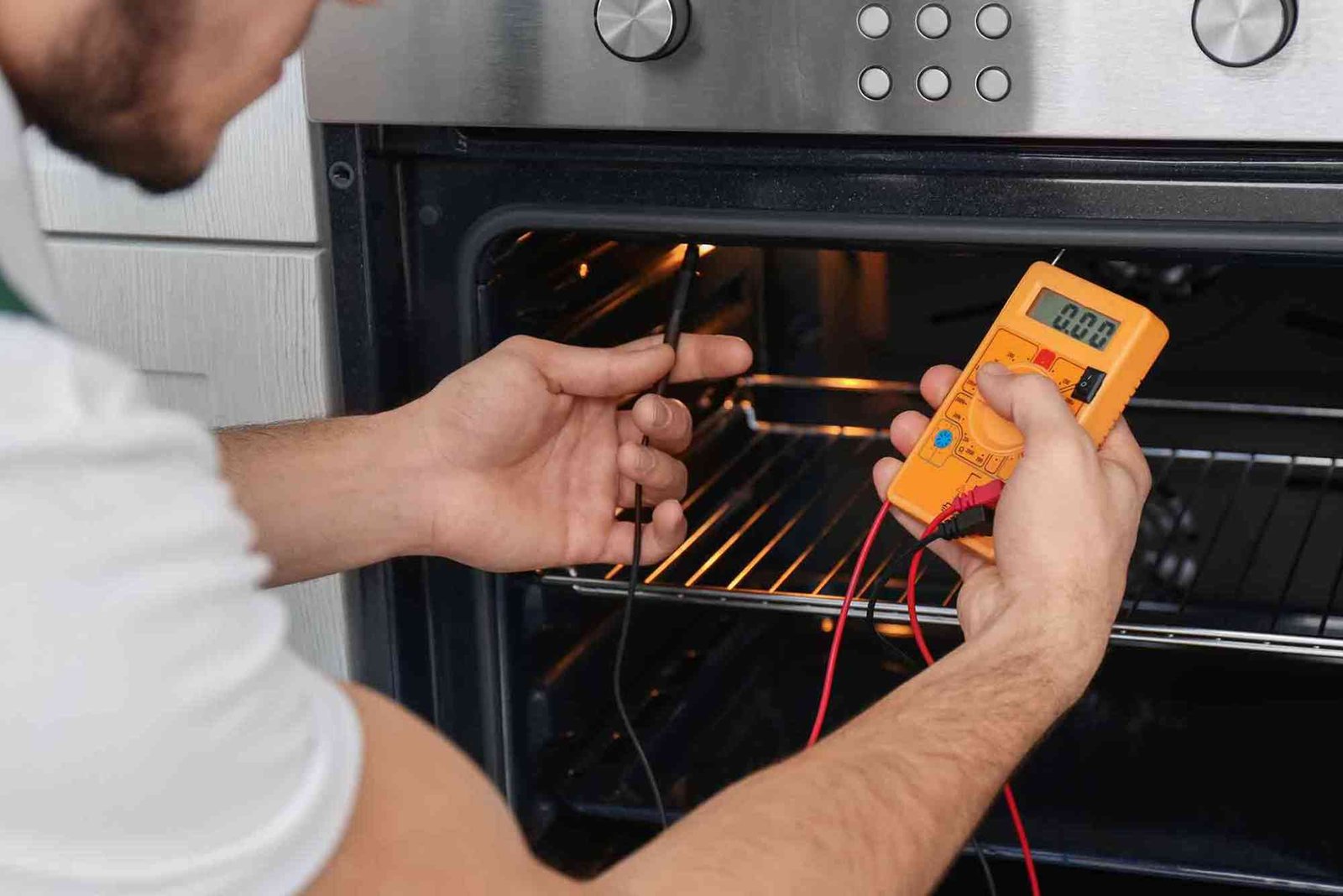
The thermocouple may become worn or misaligned. A faulty thermocouple cannot detect the flame properly, shutting off the gas supply. Inspect the thermocouple and replace it if needed to maintain a steady flame.
Drafts and Airflow Issues
Strong drafts from open windows, vents, or ceiling fans can extinguish the pilot light. Position your stove away from direct airflow and ensure your kitchen is ventilated without creating strong currents.
Gas Supply Problems
Inconsistent gas pressure or leaks in the supply line can cause the pilot light to fail. Check that your gas valve is fully open and consult a professional if you suspect pressure issues.
Worn or Damaged Components
Over time, components such as burners or pilot tubes can wear down. Cracks, corrosion, or misalignment can affect the flame. Inspect these parts periodically and replace them if necessary.
Improper Lighting Technique
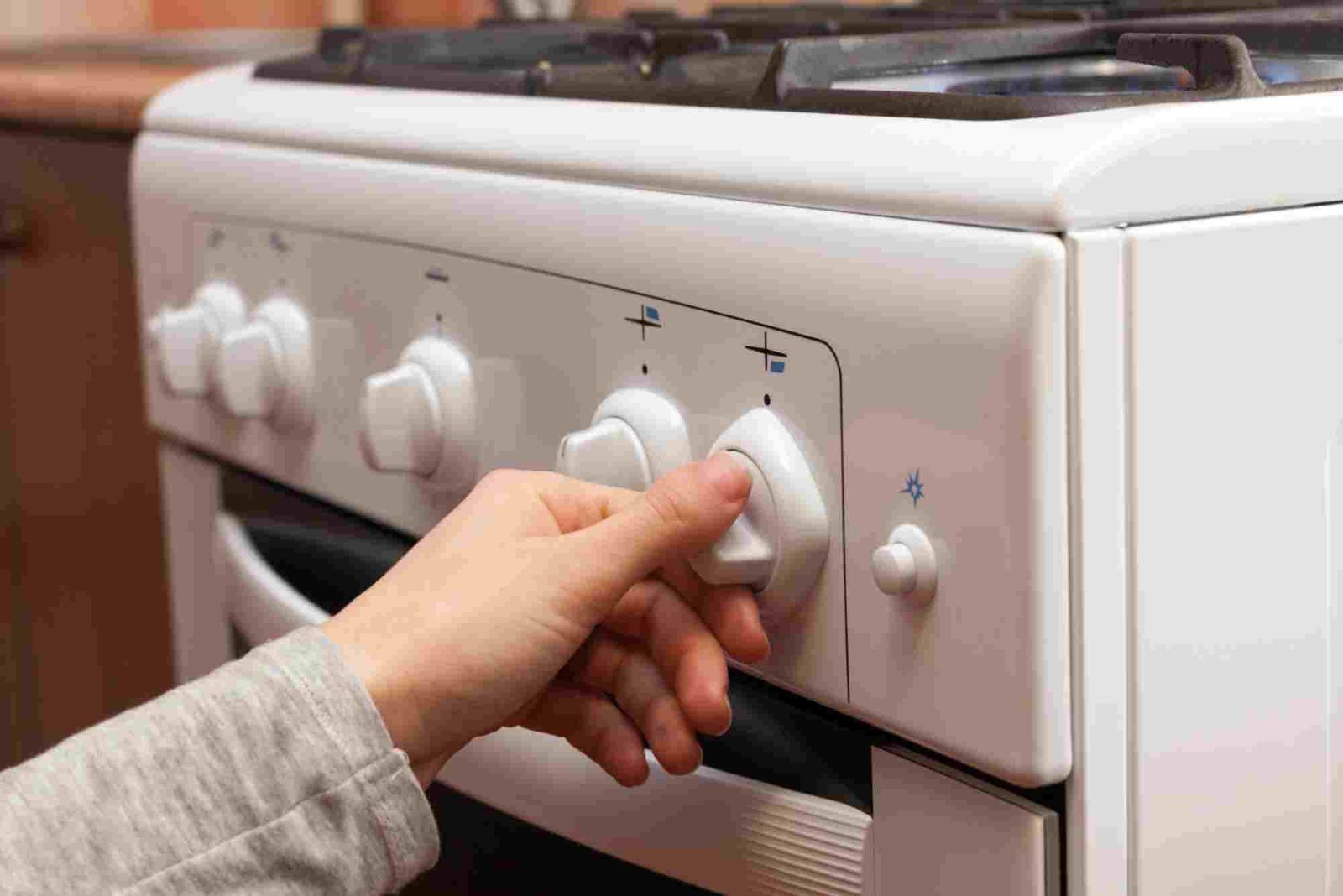
Lighting a pilot light requires the correct sequence. Ensure the knob is in the pilot position, press it fully, and hold it long enough for the thermocouple to detect the flame. Rushing the process can prevent the flame from stabilizing.
Maintenance Tips to Keep Your Pilot Light Burning
Regular maintenance reduces the risk of your pilot light going out. Simple steps can improve stove performance and extend its lifespan.
Clean the Pilot Light Assembly
Turn off the gas and allow the stove to cool. Remove debris from the pilot assembly with a soft brush or compressed air. Avoid using sharp objects that may damage the components.
Inspect and Replace the Thermocouple
Check the thermocouple for discoloration or bending. Replace it if it appears damaged. This small component plays a major role in flame stability.
Adjust the Flame
The pilot flame should be blue with a small steady tip. A yellow or flickering flame indicates a problem. Adjust the flame height according to your stove’s manual or consult a technician.
Schedule Professional Inspection
A yearly professional inspection ensures all gas connections and components are in safe working order. Why Gas Stove Pilot Lights Keep Going Out This step prevents accidents and improves efficiency.
Ventilation Management
Keep windows slightly closed during windy conditions. Ensure kitchen ventilation does not create strong drafts over the stove. Proper airflow helps maintain a steady flame.
Safety Precautions When Handling Pilot Lights
Handling a pilot light involves working with gas, which can be hazardous. Follow these precautions:
-
Turn off the gas before cleaning or repairing.
-
Avoid using excessive force when handling components.
-
Ensure your stove is well-ventilated during maintenance.
-
Call a professional for any gas line or pressure issues.
Troubleshooting Steps Before Calling a Technician
Before contacting a repair service, try these practical steps:
-
Clean the pilot light assembly.
-
Check for drafts or airflow issues.
-
Inspect the thermocouple for damage.
-
Verify the gas supply is stable and the valve is open.
-
Re-light the pilot following the manufacturer’s instructions.
If the pilot light continues to go out, professional service may be required.
When to Seek Professional Help
Persistent pilot light issues often indicate deeper problems:
-
Damaged thermocouples or pilot tubes
-
Gas pressure irregularities
-
Corroded or worn burners
-
Gas leaks
A licensed technician can safely diagnose and fix these issues, ensuring your stove operates reliably.
Understanding Practical Tips: Why Gas Stove Pilot Lights Keep Going Out helps you maintain a safe and efficient stove. Regular cleaning, proper lighting techniques, and timely component checks prevent recurring problems. When in doubt, call a professional to ensure your kitchen remains safe.
Keep your stove running smoothly by taking action today and avoid frustration with frequent pilot light issues. For additional guidance on home appliances and maintenance, check our Related Metal Detectors article.
FAQ About Gas Stove Pilot Lights
Why does my gas stove pilot light keep going out?
This usually happens due to dirt buildup, drafts, a faulty thermocouple, or gas supply issues. Cleaning and inspecting components often solves the problem.
How can I prevent my gas stove pilot light from going out?
Keep the pilot assembly clean, avoid strong drafts, check the thermocouple, and ensure proper gas flow. Regular professional inspections help too.
Is it safe to relight a pilot light myself?
Yes, if you follow safety precautions, ensure the gas is off, and avoid forcing components. Call a technician for gas leaks or pressure issues.
What does a yellow pilot flame indicate?
A yellow or flickering flame often means dirt in the pilot tube, improper gas flow, or a misaligned thermocouple. Cleaning or adjustment usually fixes it.
How often should I service my gas stove?
Annual professional inspections are recommended. Regular self-cleaning and checks of the pilot light assembly maintain efficiency.
Can drafts really extinguish a pilot light?
Yes, strong airflow from windows, vents, or fans can blow out the pilot light. Ensure proper ventilation without creating direct drafts.
How do I know if the thermocouple is faulty?
Signs include the pilot light going out despite proper lighting and no drafts. Inspect for damage or discoloration and replace if necessary.
Where can I learn more about pilot light maintenance?
You can explore guides and tips on stove maintenance to improve flame stability and safety. Visit our section to Learn more about proper handling.