
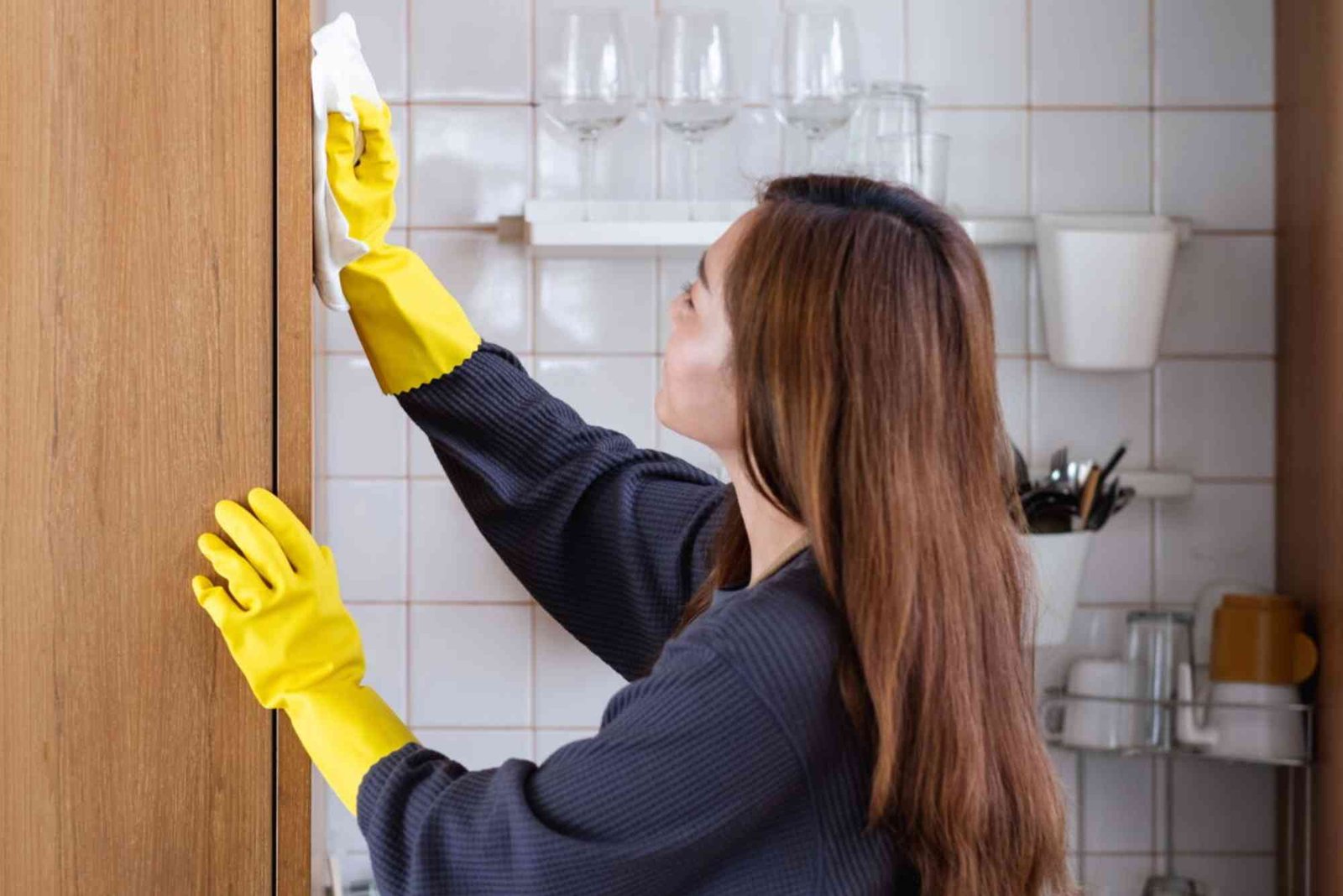
Your kitchen is the heart of your home, and your cupboard doors are among its most noticeable features. Over time, they collect grease, fingerprints, and food splatters that dull their shine. Knowing how to clean kitchen cupboard doors effectively can instantly refresh your kitchen’s look. Whether you have wooden, laminate, or painted cabinets, maintaining them doesn’t have to be a daunting task. With the right approach and gentle cleaning methods, you can restore their original luster while prolonging their lifespan.
Cleaning kitchen cupboard doors isn’t just about appearance; it’s also about hygiene. Kitchen surfaces collect bacteria and dust that can affect the overall cleanliness of your cooking space. By applying a few practical tips, you can make cleaning effortless and even enjoyable.
Understanding Your Cupboard Door Material
Before diving into cleaning methods, it’s essential to understand your cupboard material. Different finishes react differently to cleaning products. Using the wrong method can cause damage or discoloration.
Wooden Cupboard Doors
Wooden doors add warmth to your kitchen but need gentle care. Avoid soaking them with water. Instead, use a soft damp cloth with mild dish soap. Wipe in the direction of the grain to avoid streaks and maintain the natural texture of the wood.
Laminate or MDF Cupboard Doors
Laminate doors are easier to clean and resistant to stains. For everyday maintenance, a microfiber cloth and mild detergent are ideal. Avoid using abrasives that can scratch the smooth surface.
Painted Cupboard Doors
Painted doors bring color and character but can chip easily. Use a soft sponge and non-abrasive cleaner. Avoid strong chemicals that might strip the paint or leave marks.
Step-by-Step Process to Clean Kitchen Cupboard Doors
A consistent cleaning routine prevents grease buildup and keeps your cabinets looking brand new. The process is straightforward when you follow practical steps that suit all types of finishes.
Remove Surface Dust and Debris
Start by wiping the doors with a dry microfiber cloth. This step removes dust, crumbs, and light residue before applying any cleaning solution. A gentle first wipe prevents scratching the surface during deep cleaning.
Apply a Mild Cleaning Solution
Mix a few drops of dishwashing liquid in warm water. Dip a soft cloth or sponge, wring it out well, and wipe each cupboard door. Focus on edges and corners where grime often hides. The gentle detergent lifts grease without harming the finish.
Rinse and Dry Thoroughly
After cleaning, rinse the cloth with clean water and wipe again to remove soap residue. Finish by drying the doors with a clean towel. Moisture can damage wood or leave streaks on glossy surfaces, so drying is essential.
Handle Grease Buildup
For stubborn grease, use a mixture of vinegar and water in equal parts. The natural acidity of vinegar breaks down oil without causing harm. Gently scrub using circular motions, then rinse and dry completely.
Special Care for Different Finishes
Each cupboard finish demands unique care for lasting shine and protection.
Wooden Cupboards
Avoid ammonia-based cleaners that strip natural oils from wood. Occasionally, apply furniture polish or a little olive oil to enhance the finish and protect the surface.
Laminate Cupboards
Laminate is low-maintenance but can lose shine over time. A mix of baking soda and water helps remove tough stains gently. Always test on a small hidden area first.
Glossy or Painted Surfaces
Glossy finishes show fingerprints easily. Wipe regularly with a damp cloth followed by a dry one. Avoid scrubbing hard, as it can leave dull spots.
Preventing Dirt and Grease Buildup
Cleaning is easier when you prevent messes from setting in. A few small habits can make a big difference. Wipe spills immediately, especially around handles and cooking areas. Keep your hands clean while cooking to avoid transferring oils. Regularly dust your cupboard tops to prevent grime accumulation.
Ventilation also matters. Proper airflow reduces moisture that can lead to sticky residue. If you frequently fry food, using an exhaust fan helps minimize grease settling on cabinet surfaces.
Natural Cleaning Alternatives
If you prefer eco-friendly cleaning, natural ingredients like vinegar, lemon juice, and baking soda are excellent choices. They’re non-toxic, safe for most finishes, and still very effective. For example, a mix of lemon juice and warm water adds a fresh scent while cutting through grease. Baking soda can be used to gently scrub away stains without scratching.
Natural methods not only clean well but also maintain indoor air quality, especially in kitchens where harsh chemical smells can linger.
Maintaining the Shine After Cleaning
Once your cupboards are spotless, maintaining the shine ensures they stay that way longer. Use a soft cloth to buff the surface lightly. Avoid silicone-based polishes that may leave a residue. Consistency is key — a weekly wipe-down keeps dirt from accumulating again.
If you have wooden cupboards, a light coat of natural oil every few months enhances durability and color depth. Always test any product on a small area before full application.
Common Mistakes to Avoid
Many homeowners unknowingly damage their cupboard doors by cleaning incorrectly. Using too much water is one of the most common mistakes. Excess moisture can cause wood to warp or paint to peel. Also, avoid rough scouring pads that scratch surfaces.
Another common issue is neglecting the handles and edges. These areas collect the most grime but are often overlooked. A soft toothbrush can reach tight spaces effectively. Finally, don’t forget to clean the inside edges where crumbs tend to hide.
FAQs about Cleaning Kitchen Cupboard Doors
How often should I clean my kitchen cupboard doors?
Ideally, wipe your cupboard doors weekly to prevent buildup. Deep clean every one to two months for best results.
What’s the best cleaner for greasy cupboard doors?
A simple mix of warm water and dish soap works best. For tough grease, use vinegar diluted with water.
Can I use baking soda on wooden cupboard doors?
Use it carefully. Baking soda can be mildly abrasive, so test on an inconspicuous area before applying widely.
Why do my cupboard doors look dull after cleaning?
It may be due to soap residue or using a harsh cleaner. Always rinse thoroughly and dry with a clean cloth.
Is vinegar safe for all cupboard finishes?
Vinegar is safe for most surfaces, but avoid using it on unsealed wood as it can cause damage over time.
Keeping your kitchen cupboard doors clean doesn’t have to feel like a chore. With the right approach and regular care, your cupboards will always look inviting and fresh. Whether you prefer natural cleaners or mild detergents, consistency is what makes the difference. A well-maintained kitchen enhances your home’s overall appearance and hygiene.
If you found these practical tips to clean kitchen cupboard doors helpful, take the next step toward improving your home cleaning routine. Explore more insightful guides on How To Clean Kitchen Cupboard Doors and check out our Related Food article for lifestyle inspiration. To dive deeper into smart living and creativity, Learn more today.