Introduction
A dryer works quietly in the background, turning laundry into warm, fluffy comfort. Yet when the drive belt begins to fail, the entire routine comes to a halt. Understanding the signs of dryer drive belt problems can help you react early, avoid costly damage, and keep your appliance running efficiently. Early diagnosis also prevents safety risks like overheating and excessive motor strain.
Understanding the Dryer Drive Belt
The drive belt loops around the drum, motor pulley, and tension pulley. When the motor runs, the belt grips the drum, helping it rotate. If the belt slips, frays, or breaks, the drum stops turning even though the dryer still powers on. Because of its crucial role, any small belt problem quickly affects performance.
Below are clear, practical signs that indicate trouble.
Drum Stops Spinning but Dryer Turns On
A dryer that turns on without spinning is one of the strongest signs of dryer drive belt problems. You may hear the motor running normally, but the drum stays still. Many homeowners notice this suddenly after hearing a soft snap during a cycle.
The Motor Sounds Normal
When the belt breaks, the motor continues to work. Because the drum is no longer connected, the motor rotates freely. You’ll hear humming or whirring, yet the clothes inside remain untouched.
Clothes Stay Wet
Since the drum cannot tumble the laundry, drying becomes impossible. Even on high heat, clothes remain damp or warm but not dry. This symptom often appears instantly after the belt snaps.
Thumping, Slapping, or Rhythmic Noises During Operation
Unusual noises are another early warning. Before breaking, a worn belt may slip or wobble. These changes create new sounds that disrupt the usual steady hum.
Slapping Against the Drum
As the belt loosens, it may strike the drum while the dryer rotates. This produces a repeating slapping tone. The noise usually grows louder over time.
Thumping When Starting Up
A stretched belt can momentarily catch before gripping. This produces a thumping or jerking sensation at the start of the cycle.
Burning Smell Coming from the Dryer
A burning rubber odor demands immediate attention. A failing belt often rubs or slips, causing friction. The heat from this friction can produce a faint smoky scent.
Hot Belt Friction
If the belt slips or misaligns, it drags against metal parts. Because rubber heats quickly, the smell appears fast. Running the dryer in this condition risks motor damage.
Lint or Debris Buildup on the Belt
When lint accumulates, it adds resistance. A worn belt cannot maintain smooth tension, causing additional heat and odor.
Dryer Takes Longer to Dry Clothes
Though slower drying can indicate other issues, belt wear is a common cause. When the belt loses tension, the drum may rotate unevenly.
Intermittent Drum Movement
The drum may move in short bursts instead of smooth, continuous motion. This limits airflow and prolongs drying.
Heat Cannot Circulate Properly
Even with good heat output, uneven tumbling prevents moisture from escaping the load. If the dryer used to work efficiently but now requires two or three cycles, the belt may be the culprit.
Visual Signs of Wear During Inspection
A quick inspection can confirm suspicions. Most dryers require removing the top or front panel, depending on the model. Always unplug the unit before inspecting.
Frayed or Cracked Belt Edges
A healthy belt appears smooth and firm. A damaged one shows fraying, shredding, or cracking along the sides.
Shiny or Glossy Surface
A stretched or slipping belt may develop a polished look. This indicates loss of grip and reduced friction.
Dryer Shuts Off Suddenly During a Cycle
Though not always related to the belt, sudden shutdown can occur if the belt snaps and triggers the safety switch found in many dryers. This switch prevents the dryer from running without drum rotation.
Thermal Overload Trips
If the drum fails to rotate, heat builds quickly, triggering a safety shutoff. The dryer then stops mid-cycle.
Door Switch Interference
Some models connect the belt mechanism to the door switch system. When the belt breaks, sensors interpret the dryer as unsafe to run.
Causes Behind Dryer Drive Belt Problems
Understanding why belts fail helps prevent recurring issues. Though belts are designed for long-term use, they endure constant tension and heat.
Normal Wear and Tear
After years of cycles, rubber weakens. Most belts last 8–10 years depending on usage and brand.
Overloading the Dryer
Heavy loads force the drum to strain. This increases tension on the belt, stretching and thinning it faster.
Heat Damage
High temperatures from clogged vents or restricted airflow can dry out the rubber, causing cracking.
Misaligned Pulleys
When pulleys shift or bend, the belt no longer runs straight. The added friction accelerates wear and slippage.
When to Repair vs. Replace the Belt
Once a belt shows significant wear, replacement is usually the best solution. Belt replacement is cost-effective and prevents deeper damage.
Replace the Belt If It Is Broken
A snapped belt cannot be repaired. Replacement is fast and inexpensive.
Replace if Visible Wear Appears
Fraying, glazing, or cracks indicate deterioration. Replacing early prevents sudden breakdown.
Repair Only When Related Components Fail
If the belt is healthy but slipping, the tension pulley or motor pulley may need adjustment. In such cases, repair is more appropriate.
How to Prevent Drive Belt Problems
Proactive steps extend the life of your dryer and keep the belt performing well.
Avoid Overloading
Use appropriate load sizes. Large, dense loads strain the belt unnecessarily.
Clean the Lint Filter After Every Cycle
Improved airflow reduces drying time, decreasing the stress on the belt.
Schedule Periodic Vent Cleaning
Clear vents lower internal temperature and protect rubber from heat damage.
Listen for Subtle Changes
New sounds, even quiet ones, often signal early belt trouble. Investigate them early.
Realistic Troubleshooting Tips from Home Repair Experts
Dryer issues can appear suddenly, but a methodical approach helps identify the cause efficiently.
Run the Dryer Empty
If the drum spins empty but not with clothes inside, the belt may be stretched. Light loads move, but heavier loads cause slipping.
Rotate the Drum by Hand
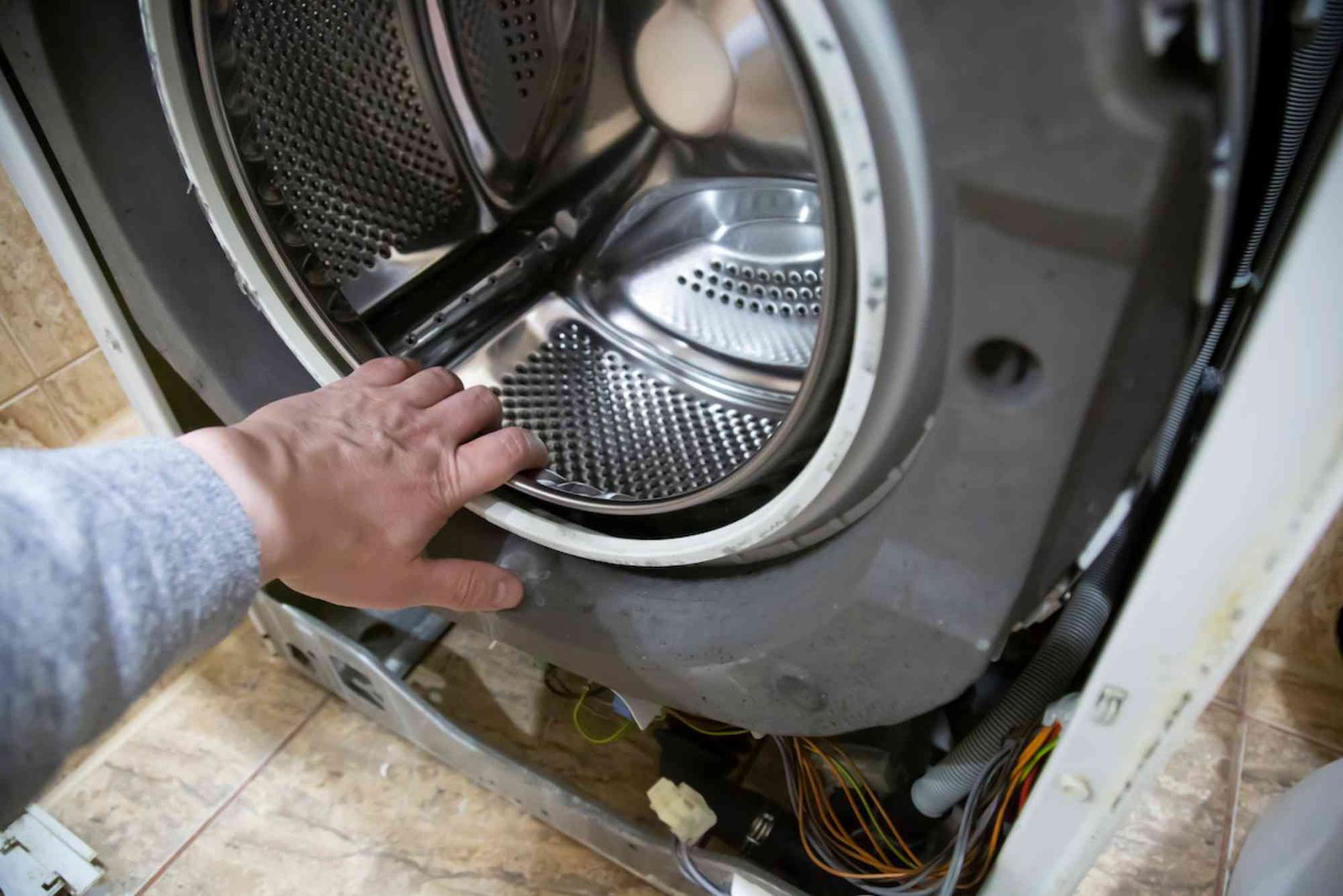
With the dryer off, try turning the drum. If it moves too easily, the belt may be loose or detached.
Check for Resistance Sounds
A healthy belt provides steady resistance. Grinding or squeaking suggests alignment issues.
Recognizing the early signs of dryer drive belt problems helps you prevent bigger, more expensive failures. By paying attention to unusual noises, rotation issues, and burning smells, you can act quickly and keep your dryer running smoothly. Routine cleaning, proper loading, and periodic inspections also extend the life of the belt.
If you want to explore more home-care guides, visit this Related Blog article.
or review additional details on Signs Of Dryer Drive Belt Problems. For broader technical resources, you can also Learn more.
about tools and device care that complement your home maintenance routine.
FAQs
Why is my dryer not spinning even though it turns on?
This usually means the drive belt has snapped or slipped. The motor still runs, but the drum cannot rotate without belt tension.
How do I know if my dryer belt is broken?
If the dryer turns on but the drum stays still, the belt is likely broken. You may also hear the motor humming without movement.
Is it safe to use a dryer with a bad belt?
No. A slipping or broken belt can cause overheating and damage the motor or pulleys. Stop using the dryer until it is repaired.
How long does a dryer drive belt last?
Most belts last between 8 and 10 years. Heavy use, heat exposure, or overloading may shorten this lifespan.
Can I replace a dryer belt myself?
Yes, if you have basic tools. Many homeowners replace belts easily by removing the front or top panel. However, a technician is recommended if pulleys or sensors need adjustment.