
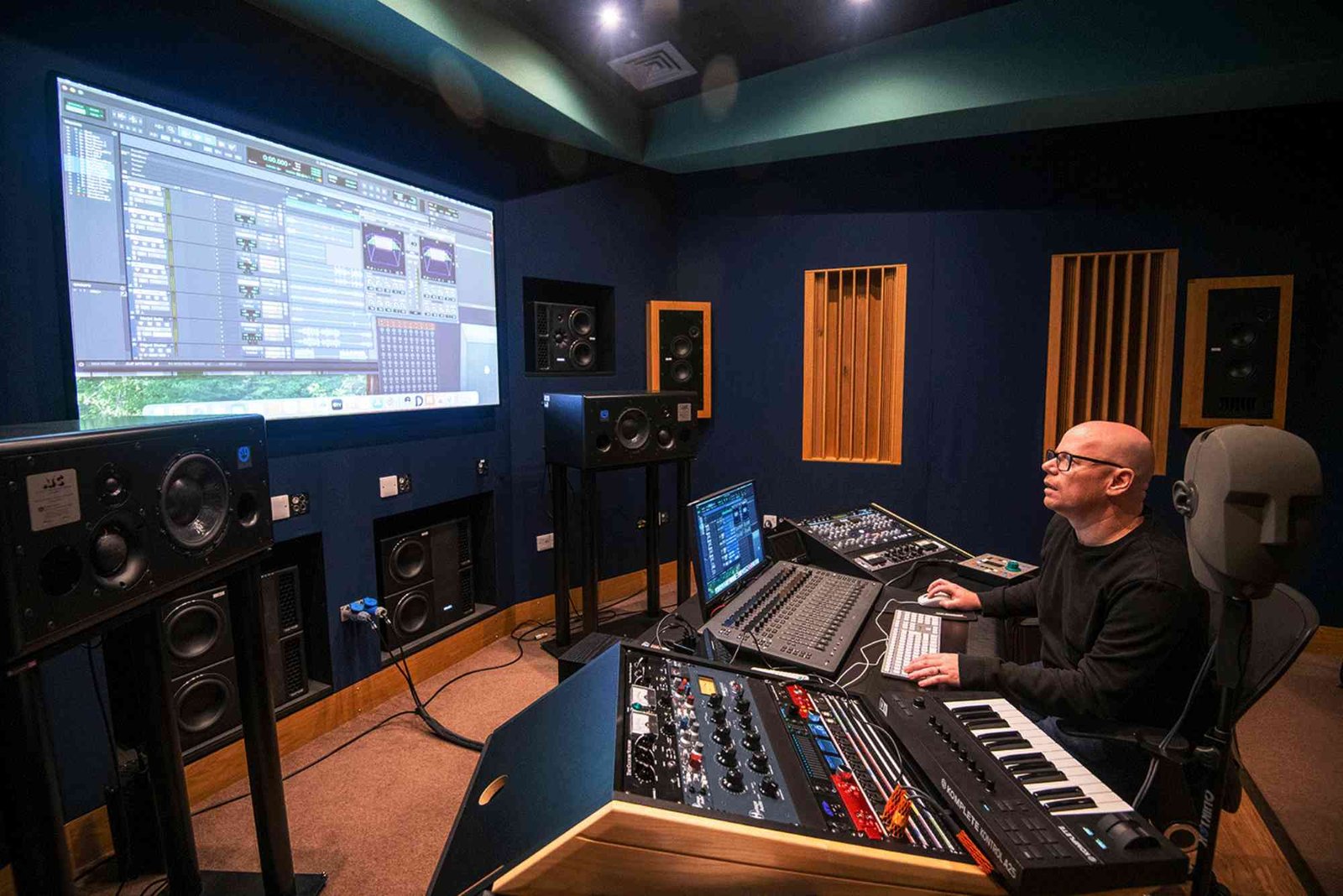
Practical Tips: A Live Sound Engineering Career in India
A live sound engineering career in India is becoming one of the most exciting and fast-growing creative professions. With the rise of concerts, music festivals, corporate events, stand-up comedy shows, and wedding productions, skilled sound engineers are in high demand. If you want to build a stable, fulfilling career in this field, the right guidance can help you grow faster. This detailed guide explains how to start, what skills you need, the tools you must master, and how to succeed in the live audio industry.
Understanding a Live Sound Engineering Career in India
A live sound engineer ensures that audiences experience clear, balanced, and powerful audio during live events. In India, this career is expanding rapidly due to the explosion of entertainment industries. When you choose a live sound engineering career in India, you join a field that requires technical knowledge and creative sensitivity.
Why Live Sound Engineering Is Growing in India
Live events are increasing every year. From regional music shows to large-scale international tours, Indian audiences expect better production quality. As a result, companies invest more in trained professionals. Event organizers, production houses, and artists rely on competent sound engineers who can deliver flawless audio.
The industry is also becoming more organized. Earlier, sound engineering was taught informally, but today, many institutes offer structured courses. This shift created a clear career path for newcomers.
Skills You Need for a Live Sound Engineering Career in India
Technical Skills
Sound engineering requires deep technical understanding. You must know how sound travels, how equipment interacts, and how to fix issues under pressure. Knowledge of mixers, audio interfaces, microphones, cables, processors, and software is essential. You must also understand live acoustics because every venue reacts differently.
Creative Listening
Your ears are your greatest asset. A good engineer listens deeply. You must identify frequencies, check tonal balance, and ensure every instrument blends well. Unlike studio engineering, live audio is unpredictable. You have only seconds to make decisions, so sharp listening skills matter.
Problem-Solving Ability
Live events often involve unexpected technical problems. Hum noise, faulty cables, dead microphones, feedback issues, or unstable power supplies may appear anytime. A successful sound engineer stays calm and solves problems quickly.
Team Management
You interact with musicians, production teams, event managers, and lighting crews. Good communication helps you understand expectations and deliver better results. Live shows depend on teamwork, so collaboration is important.
Physical Endurance
Long hours, heavy lifting, and loud environments are part of the job. Being physically fit helps you handle equipment and remain active during long events.
Educational Paths to Start Your Career
You can begin without a degree, but proper training helps you grow faster. Many institutes across India teach audio engineering. Choose a course that offers hands-on training, real-world internships, and lessons with industry professionals.
Short courses cover basics, while advanced programs teach live mixing, acoustics, system design, and audio software. Some students also start by volunteering at small shows, gaining experience through practice.
Equipment You Must Master
Mixing Consoles
Digital consoles like Yamaha, Behringer, Allen & Heath, and Soundcraft are industry standards. A live sound engineer must know routing, EQ, compression, and effects.
Microphones
You must understand dynamic, condenser, and wireless microphones. Every instrument requires the right mic placement and gain structure.
Speakers and Amplifiers
Knowledge of PA systems, monitors, subwoofers, delay speakers, and amplifiers is essential. You should also understand system tuning with tools like RTA.
Cables and Connectors
Mastering XLR, TRS, Speakon, and power connections ensures smooth setups. Cables cause most problems at live events, so you must know how to identify and fix faults quickly.
Audio Software
Softwares like QLab, Smaart, and virtual soundcheck tools help with system design and troubleshooting.
How to Start a Live Sound Engineering Career in India
Begin With Small Events
Start with college events, community concerts, and local gigs. These environments help you practice under real pressure. Each show improves your confidence.
Intern or Assist Professionals
Shadowing an experienced sound engineer accelerates your learning. You see how they troubleshoot, communicate, and run shows. Internships also build your industry network.
Practice at Home
Build a simple practice setup with affordable gear. Experiment with EQ, compression, and live mixing through software simulations. Practice helps sharpen your skills.
Build Your Portfolio
Record videos of your mixes, event setups, and behind-the-scenes work. A strong portfolio impresses clients and employers.
Stay Updated
Audio technology changes fast. Attend workshops, webinars, and training sessions. Read manuals and follow industry forums to stay updated.
Career Opportunities in India
Event Production Companies
These companies handle concerts, corporate events, and weddings. They hire live sound engineers for regular projects.
Broadcast and Television
Live shows, reality programs, and sports events require audio teams.
Touring with Artists
Many engineers work full-time with musicians, traveling for tours and concerts.
Freelancing
Freelancers earn well per show. They work on diverse events and gain wide experience.
Audio Rental Companies
These companies own sound systems and hire engineers for on-site setups and mixing.
Salary Expectations in India
Salaries depend on experience, location, and job type. Beginners earn modest amounts, while experienced engineers earn much higher. Freelancers charge per event, and pay increases with skills. Specialized engineers who handle system design or large concerts earn even more.
Challenges in a Live Sound Engineering Career in India
High Pressure
You have only one chance to deliver perfect audio in a live environment. Mistakes are immediately noticeable.
Long Hours
Event setups begin early and end late. You must be prepared for demanding schedules.
Travel Requirements
You may travel frequently, which can be both exciting and exhausting.
Unpredictable Conditions
Outdoor venues, fluctuating power supply, and changing weather create challenges.
Despite these issues, many engineers love their work because of the excitement, creativity, and satisfaction of producing great sound.
Practical Tips to Grow Your Career Faster
Keep Learning
Technology evolves constantly. Keep improving your knowledge, tools, and techniques.
Develop Good Communication
Understand what artists want. Clear communication prevents confusion during shows.
Stay Organized
Label cables, arrange gear neatly, and follow safety measures.
Protect Your Hearing
Use ear protection during rehearsals or loud soundchecks.
Learn System Design
Engineers who understand PA tuning, delay settings, and RTA analysis grow faster.
Build Relationships
Networking plays a major role in getting better projects.
Be Reliable
Always arrive early, double-check equipment, and stay calm under pressure.
Choosing a live sound engineering career in India offers exciting opportunities across concerts, festivals, and media industries. With dedication, practice, and the right guidance, you can build a rewarding future. Start small, keep learning, and focus on hands-on experience. The more events you handle, the faster you grow.
FAQs
What qualifications do you need to become a sound engineer in India?
You do not need a mandatory degree. However, audio engineering courses help you learn faster and build confidence.
Is live sound engineering a good career in India?
Yes. With concerts, events, festivals, and entertainment industries growing, skilled engineers are in high demand.
How long does it take to become a sound engineer?
Basic training takes a few months. Professional-level skills require continuous practice and real-world experience.
What is the salary of a sound engineer in India?
Beginners earn modest pay, while experienced engineers earn significantly more, especially in freelancing or touring.
What skills are needed for live sound engineering?
You need technical knowledge, problem-solving ability, creative listening, teamwork, and endurance.