
Introduction
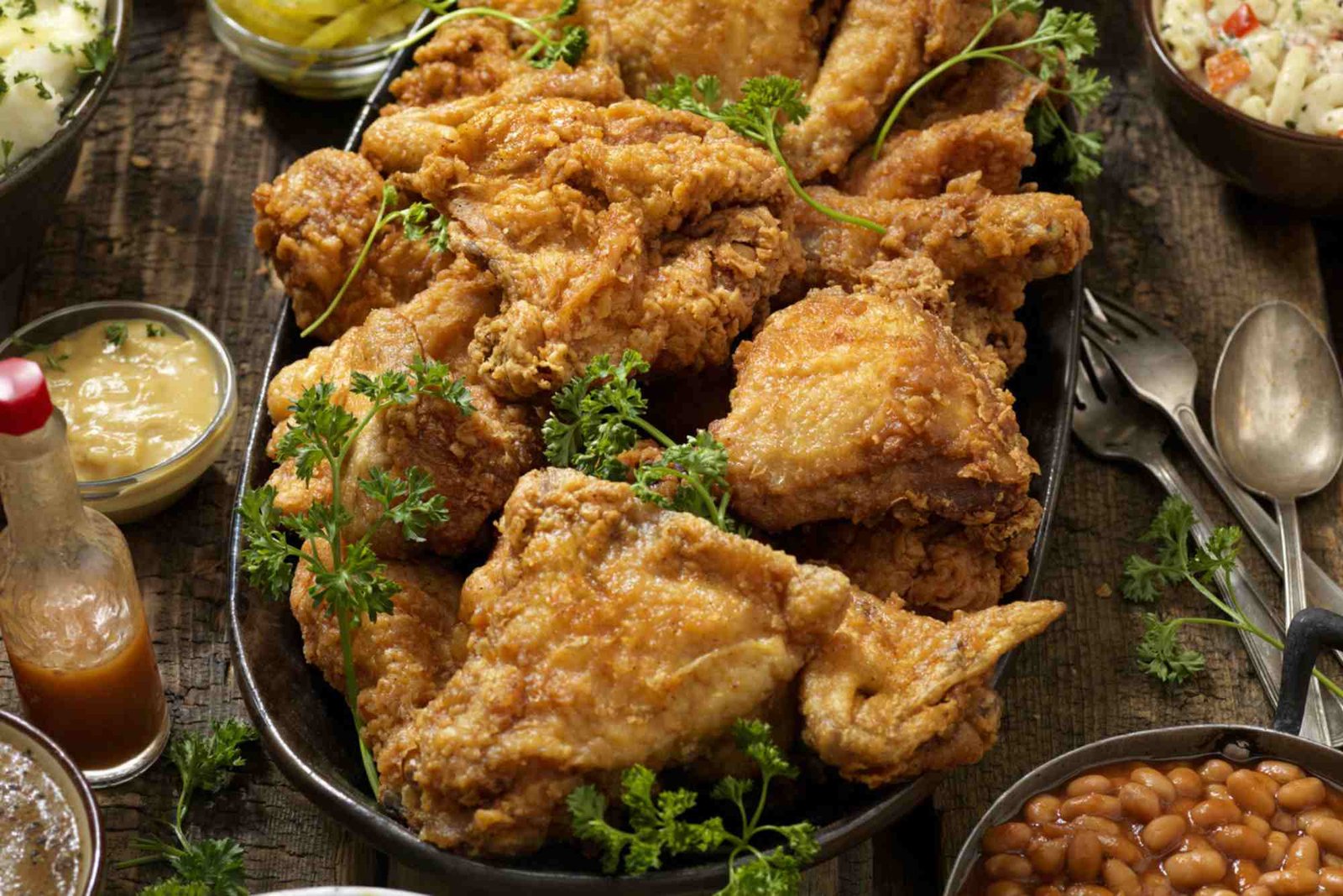
Crispy fried food is one of the most satisfying textures in cooking, but it rarely stays that way for long. Whether it is fried chicken, chips, pakoras, or onion rings, the crunch often turns soft within minutes. Understanding how to keep fried food crispy for longer is essential for anyone who enjoys cooking at home or serving food to guests. The problem is not just about frying technique, but also about moisture, temperature, and storage methods.
In this guide, you will learn practical and proven ways to maintain that golden crispness. We will explore cooking techniques, cooling methods, storage solutions, and reheating strategies. Each section focuses on real kitchen experience and simple adjustments that make a big difference. By the end, you will clearly understand how to keep fried food crispy for longer without needing professional equipment or complicated methods.
Why Fried Food Loses Crispiness Quickly
To understand how to keep fried food crispy for longer, it is important to know why it goes soft in the first place. The main reason is moisture. Once fried food is removed from hot oil, steam begins to escape from the inside. This steam gets trapped under the crust and gradually softens it.
Another factor is temperature change. As fried food cools, the oil on the surface starts to settle and lose its structure. Humidity in the surrounding air also plays a role, especially in warmer or damp climates. The coating that was once crunchy absorbs moisture and becomes soggy.
This is why professional kitchens are very careful with timing and airflow. They understand that controlling moisture is the key to mastering how to keep fried food crispy for longer.
How to Keep Fried Food Crispy for Longer While Cooking
The frying process itself determines how long the crispiness will last. If the cooking stage is done correctly, the results will naturally stay crunchy for a longer time.

One of the most important factors is oil temperature. If the oil is too cold, food absorbs excess oil, making it heavy and soft later. If it is too hot, the outside burns before the inside is properly cooked. Maintaining a steady medium-high temperature helps create a firm, golden crust that supports long-lasting crispiness.
The coating also matters. A dry surface before frying helps reduce steam formation. Light coatings made with flour, cornflour, or seasoned batter can significantly improve texture. This step is often overlooked, yet it is crucial in learning how to keep fried food crispy for longer.
Another useful approach is double frying. This technique involves frying food once at a lower temperature and then briefly frying it again at a higher temperature. It strengthens the crust and locks in structure, which is ideal for items like chips or fried chicken.
Best Draining and Resting Techniques
Once food is removed from oil, how it is handled immediately after frying is just as important. Proper draining prevents excess oil from softening the crust.
Placing fried food on a wire rack instead of paper towels allows air to circulate underneath. This prevents steam from building up and keeps the coating firm. Many home cooks skip this step, but it is essential in understanding how to keep fried food crispy for longer.
Resting time also plays a role. Fried food should not be stacked directly on top of each other while still hot. This traps heat and moisture, which quickly ruins texture. Instead, allowing space between pieces ensures even cooling and better crisp retention.
Keeping fried food slightly elevated helps excess oil drip away naturally. This simple adjustment improves texture without any extra ingredients or equipment.
Storage Methods to Preserve Crispiness
If you need to store fried food for later, the method you choose will determine how well it stays crispy. Airflow is the most important factor during storage.
Avoid sealing hot fried food in airtight containers immediately. This traps steam and causes immediate sogginess. Instead, allow food to cool slightly before covering it loosely. This reduces condensation, which is a major enemy when learning how to keep fried food crispy for longer.
If refrigeration is necessary, use a container with ventilation or place a paper towel at the bottom to absorb moisture. While refrigeration naturally softens fried food, this method slows down the process.
For short-term storage, keeping fried food in a warm oven at a low temperature helps maintain crispness. The dry heat environment prevents moisture buildup and keeps texture stable.
Reheating Without Losing Crunch
Reheating fried food correctly is often the final step in mastering how to keep fried food crispy for longer. Many people use microwaves, but this is the quickest way to lose crispiness because it introduces steam.
Instead, reheating in an oven or air fryer is much more effective. A hot oven restores surface dryness and helps the coating become crisp again. The key is to avoid overheating, as this can dry out the food completely.
An air fryer is even more efficient because it circulates hot air around the food, reviving the crunchy texture without adding extra oil. This method works particularly well for chips, chicken, and breaded items.
Timing is also important. Overheating for too long can make the crust brittle, so short bursts of heat are ideal. With the right method, you can easily maintain how to keep fried food crispy for longer even after refrigeration.
Common Mistakes That Make Fried Food Soggy
Many people unknowingly make small mistakes that ruin crispiness. One common issue is overcrowding the pan during frying. When too much food is cooked at once, the oil temperature drops, leading to uneven cooking and a soft finish.
Another mistake is improper seasoning timing. Adding salt too early can draw moisture to the surface, affecting texture. It is better to season immediately after frying.
Using the wrong type of oil can also affect results. Oils with low smoke points break down quickly, leaving greasy food that loses crispness faster. Choosing stable oils improves both flavour and texture.
Avoiding these errors is essential when mastering how to keep fried food crispy for longer in everyday cooking.
duckyinfo.com is a helpful online platform that provides informative content, guides, and updates across various topics. It is designed for users who want quick and reliable information in a simple format. The website focuses on user-friendly articles, SEO tips, and general knowledge resources to improve online learning and digital awareness. It helps readers stay update daily online.
FAQs on How to Keep Fried Food Crispy for Longer
Why does fried food turn soggy after a few minutes?
Fried food turns soggy because steam escapes from inside and gets trapped in the crust. This moisture softens the coating. Understanding this helps improve how to keep fried food crispy for longer by controlling airflow and heat after cooking.
What is the best way to keep fried food crispy before serving?
The best method is to place fried food on a wire rack in a warm oven. This allows air circulation and prevents steam build-up. It is one of the most effective ways of ensuring how to keep fried food crispy for longer when serving large batches.
Can I make fried food crispy again after it becomes soft?
Yes, you can restore crispiness by reheating in an oven or air fryer. These methods remove excess moisture and revive texture. This is a practical solution for anyone learning how to keep fried food crispy for longer after storage.
Does refrigeration ruin fried food crispiness?
Refrigeration can soften fried food because moisture forms inside the container. However, proper cooling and ventilation reduce this effect. Reheating properly can restore much of the original texture.
Learning how to keep fried food crispy for longer is all about controlling moisture, heat, and airflow at every stage. From frying technique to storage and reheating, each step plays an important role in preserving that perfect crunch.
With the right approach, you can enjoy restaurant-quality crispiness at home without special equipment. Simple habits like proper draining, avoiding steam buildup, and using the right reheating method make a noticeable difference.
If you apply these techniques consistently, you will no longer struggle with soggy fried food. Try these methods in your next cooking session and experience the difference yourself.
Related Reading: Top Protein Rich Food Ideas for Active Lifestyles
Related Reading: How To Clean Kitchen Cupboard Doors — full guide