
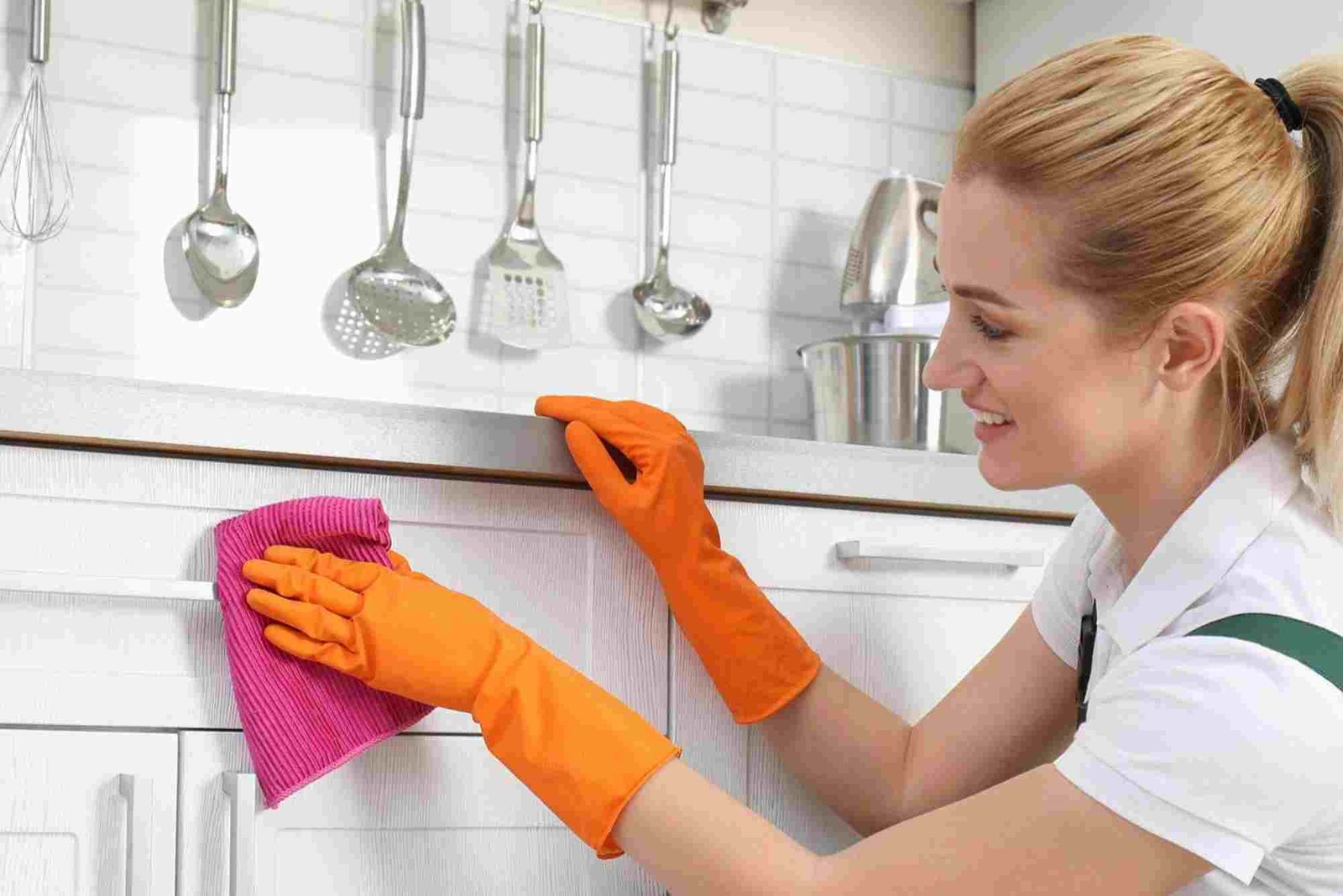
How To Clean Kitchen Cupboard Doors
A clean kitchen makes cooking more enjoyable and keeps your home feeling fresh. One area often overlooked is cupboard doors. Over time, grease, fingerprints, and dust build up, making your kitchen look messy. Knowing how to clean kitchen cupboard doors properly can save time and protect the finish. This guide will walk you through practical methods for all types of cupboard surfaces.
Understanding Your Cupboard Material
Identifying the Surface Type
Kitchen cupboard doors come in various materials such as wood, laminate, MDF, or glass. Each material reacts differently to cleaning products. Identifying the surface ensures you choose a method that cleans effectively without damage.
Why Material Matters
Wood can warp if exposed to excessive moisture, while laminate resists stains but can scratch easily. Glass doors need streak-free solutions. Using the wrong cleaner can ruin finishes and shorten the lifespan of your cupboards.
Essential Tools for Cleaning
Basic Cleaning Supplies
A microfiber cloth, soft sponge, mild dish soap, warm water, and a bucket are essential. Microfiber cloths prevent scratches and attract dust efficiently.
Optional Tools
For tougher grime, you may need a soft-bristle brush or toothbrush for corners and grooves. Baking soda or vinegar can act as natural degreasers without harsh chemicals.
Step-By-Step Cleaning Process
Preparing the Cupboards
Remove all items from the cupboard doors before cleaning. Wipe off loose dust and crumbs with a dry cloth. This prevents spreading dirt while cleaning.
Cleaning with Soap and Water
Mix a few drops of mild dish soap in warm water. Dip a soft sponge, wring out excess water, and gently wipe the cupboard surfaces. Start from the top and move downward to avoid drips.
Dealing With Grease and Stubborn Stains
For greasy spots, mix equal parts water and vinegar or sprinkle baking soda on a damp sponge. How To Clean Kitchen Cupboard Doors Gently scrub the area until clean. Avoid abrasive cleaners that scratch surfaces.
Drying and Polishing
After cleaning, wipe doors with a dry microfiber cloth to remove moisture. For wooden cupboards, apply a small amount of furniture polish to restore shine and protect the finish.
Cleaning Special Cupboard Surfaces
Glass Cupboards
Use a mixture of water and vinegar or a glass cleaner. Wipe with a lint-free cloth to prevent streaks. Clean both inside and outside surfaces.
Painted or Laminated Cupboards
Avoid harsh chemicals. Stick to mild soap and water. Test a small, hidden area first if using new cleaning products.
Wooden Cupboards
Use a wood-safe cleaner or a mix of olive oil and vinegar for natural polishing. Avoid soaking wood, as excessive moisture causes swelling and warping.
Preventive Tips to Keep Cupboards Clean
Regular Maintenance
Wipe doors weekly with a dry cloth or damp sponge to prevent buildup.
Use Protective Measures
Install handles or knobs to reduce fingerprints directly on the surface. Consider lining shelves to minimize spills.
Immediate Cleaning
Clean spills or splatters as soon as they happen. This reduces stubborn stains and the need for intense scrubbing later.
Eco-Friendly Cleaning Options
Natural Cleaners
Vinegar, baking soda, lemon juice, and olive oil can clean and polish cupboard doors safely. Related Food article These options reduce chemical exposure in your kitchen.
Homemade Solutions
A mix of baking soda and water creates a gentle paste for tough stains, while lemon juice and olive oil revive wood finishes naturally.
Common Mistakes to Avoid
Using Harsh Chemicals
Bleach and abrasive powders can damage paint and wood finishes. Stick to mild, pH-neutral solutions.
Over-Wetting Surfaces
Excess water can cause wood to swell or laminate edges to peel. Always wring sponges thoroughly.
Ignoring Corners and Grooves
Grime often hides in edges and hinges. Use a soft brush or toothbrush to clean these areas thoroughly.
Cleaning kitchen cupboard doors doesn’t have to be a chore. By understanding your cupboard material, using the right tools, and following effective cleaning methods, you can maintain a sparkling kitchen. Regular maintenance and gentle cleaning prevent buildup and extend the life of your cupboards. Start implementing these tips today and enjoy a fresher, more inviting kitchen.
For more tips on keeping your kitchen spotless, check our Related Food article. To explore other home cleaning techniques, Learn more about efficient kitchen maintenance.
FAQ
How do I remove grease from kitchen cupboard doors?
Use a mix of warm water and mild dish soap. For stubborn grease, try a solution of vinegar and water or a baking soda paste.
Can I use bleach to clean cupboard doors?
No, bleach can damage paint and wood finishes. Stick to mild, pH-neutral cleaners.
How often should I clean my cupboard doors?
Wipe down doors weekly and address spills immediately to maintain cleanliness.
What is the best cloth for cleaning cupboard doors?
Microfiber cloths are ideal. They prevent scratches and effectively pick up dust and grime.
How do I clean wooden cupboard doors without damaging them?
Use a wood-safe cleaner or a mix of olive oil and vinegar. Avoid soaking the wood and always dry after cleaning.