Introduction
Caring for your baby’s teeth is an essential part of their overall health. Many new parents wonder: Do babies need toothpaste for oral care? With countless products on the market, it’s easy to feel overwhelmed. Understanding the role of toothpaste in early oral hygiene can help you make informed decisions and set your child up for a lifetime of healthy teeth.
Understanding Baby Oral Care
Oral care begins long before the first tooth appears. Gums and mouth tissues need proper cleaning to prevent bacteria buildup. Even before your baby’s teeth emerge, wiping the gums with a soft, damp cloth helps maintain oral hygiene and introduces a routine your baby will grow accustomed to.
When to Start Using Toothpaste
Parents often ask: when should I introduce toothpaste to my baby’s oral care routine? Pediatric dentists generally recommend starting toothpaste use as soon as the first tooth erupts. A tiny smear, about the size of a grain of rice, is sufficient. Fluoride-containing toothpaste helps protect enamel and prevent early tooth decay.
Choosing the Right Toothpaste
Not all toothpaste is suitable for babies. Look for a product specifically designed for infants, which contains a safe level of fluoride and is free of harsh chemicals. Avoid adult toothpaste for children under three years old, as swallowing larger amounts of fluoride toothpaste can be harmful. For more detailed research on oral care safety, you can Learn more.
Brushing Techniques for Babies
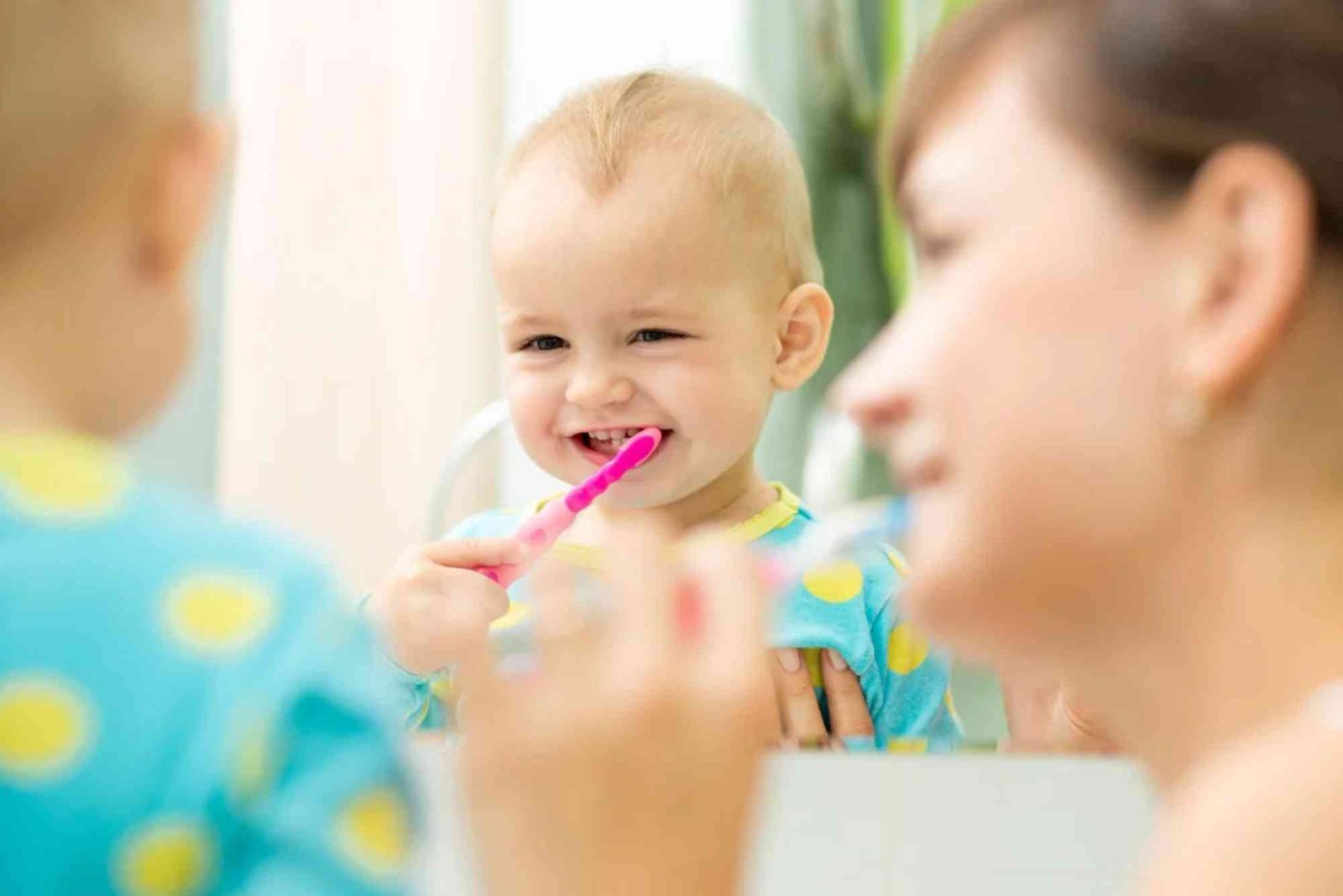
Using the correct brushing technique ensures your baby’s teeth and gums stay healthy. Parents should use a soft-bristled toothbrush designed for infants. Hold the brush at a 45-degree angle to gently clean the teeth and along the gumline. Brushing twice daily—morning and night—is recommended.
How Much Toothpaste to Use
For infants under three, a rice-sized smear of toothpaste is enough. For children aged three to six, a pea-sized amount suffices. Using more toothpaste does not improve cleaning; instead, it increases the risk of swallowing excess fluoride. This is an important consideration in determining if Do babies need toothpaste for oral care in the first years.
Making Brushing Fun
Introducing brushing as a playful activity encourages good habits. Sing songs, use colorful brushes, or let your baby watch you brush to create a positive experience. Establishing a routine early fosters lifelong dental hygiene.
Benefits of Using Toothpaste for Babies
Using toothpaste correctly offers several advantages beyond simply cleaning teeth. Fluoride strengthens tooth enamel, making teeth more resistant to decay. Toothpaste also helps reduce bacteria that can cause gum infections and bad breath. By starting early, you can prevent dental issues and instill healthy habits that last a lifetime.
Reducing the Risk of Tooth Decay
Tooth decay can develop even in infants. Early exposure to sugary liquids or prolonged bottle feeding increases the risk. Using toothpaste as part of a daily routine helps combat harmful bacteria and reduce cavities. Addressing oral care early answers the common parental concern: Do babies need toothpaste for oral care?
Promoting Healthy Gums
Healthy gums are crucial for proper tooth development. Brushing with toothpaste stimulates the gums and promotes good oral circulation. Softening the gums with gentle brushing also helps ease discomfort when new teeth emerge.
Common Concerns About Baby Toothpaste
Some parents hesitate to use toothpaste due to safety concerns. Worries about fluoride ingestion or chemical exposure are common. Choosing infant-safe toothpaste and using the recommended amount ensures safety while providing dental protection.
Fluoride Safety
Fluoride is essential in preventing tooth decay. However, excessive fluoride can cause fluorosis, leading to white spots on teeth. Using a small, age-appropriate amount minimizes risk while maximizing benefits. Pediatricians and dentists can guide you in choosing the right fluoride toothpaste for your baby.
Avoiding Harmful Ingredients
Infant toothpaste should be free from sodium lauryl sulfate, artificial sweeteners, and harsh abrasives. These ingredients can irritate a baby’s delicate oral tissues. Always read labels carefully and consult healthcare professionals for recommendations.
Integrating Oral Care Into Daily Life
Oral care should be part of your baby’s daily routine, not a separate task. Brushing can be integrated with diaper changes, bedtime routines, or after meals. Consistency helps children understand the importance of oral hygiene from an early age.
Teaching By Example
Children often mimic their parents. Brush alongside your baby to demonstrate proper technique. Modeling the behavior ensures they learn correct brushing habits and reinforces the importance of oral care.
Establishing Long-Term Habits
Starting toothpaste use early sets the foundation for lifelong dental health. By maintaining a routine and monitoring diet, parents can prevent many common dental problems. This proactive approach answers the ongoing question: Do babies need toothpaste for oral care?
When to See a Pediatric Dentist
Regular dental checkups are vital for infants and toddlers. The first visit should ideally occur by the age of one. Pediatric dentists can assess teeth development, offer guidance on oral hygiene, and provide professional fluoride treatments if necessary. Early dental visits complement home care, ensuring comprehensive oral health.
Warning Signs of Dental Issues
Parents should watch for signs like white or brown spots on teeth, gum swelling, or persistent bad breath. Early intervention can prevent more serious problems and reduce the need for extensive dental work later.
Understanding whether Do babies need toothpaste for oral care is crucial for establishing healthy oral habits. Introducing a tiny smear of fluoride toothpaste when the first tooth appears, using proper brushing techniques, and maintaining consistency can prevent tooth decay and promote long-term dental health. Remember, oral care starts with gentle cleaning even before teeth appear, and choosing the right products ensures safety.
Start today by incorporating toothpaste into your baby’s routine and monitor their dental health closely. Healthy habits now will benefit your child for years to come. For more guidance on infant oral care, you can Learn more.
For more helpful tips, you might also explore our Related Automobile article or check out Do Babies Need Toothpaste For Teeth Care to understand how routines impact overall health.
FAQ
Do babies really need toothpaste?
Yes, using a small, age-appropriate amount of fluoride toothpaste helps prevent tooth decay from the first tooth.
When should I start brushing my baby’s teeth?
Start cleaning your baby’s gums from birth. Introduce a rice-sized amount of toothpaste once the first tooth erupts.
Can my baby swallow toothpaste?
Small amounts are generally safe, but using too much fluoride toothpaste can lead to fluorosis. Always use the recommended amount.
What kind of toothbrush is best for infants?
Choose a soft-bristled toothbrush designed for babies. This protects sensitive gums and ensures gentle cleaning.
How often should I brush my baby’s teeth?
Brush twice daily—once in the morning and once before bedtime. This routine maintains oral hygiene effectively.