Introduction
A gas stove is a staple in many kitchens, offering convenience and precision while cooking. However, one of the most common issues homeowners face is the pilot light going out. This seemingly minor problem can disrupt your cooking and pose potential safety hazards. Understanding the Causes of Gas Stove Pilot Light Going Out is essential for effective troubleshooting and maintenance. In this guide, we will explore the main reasons your gas stove pilot light may extinguish and provide helpful tips to keep it burning reliably.
Understanding the Pilot Light
The pilot light is a small flame that ignites the gas burner when you turn on your stove. While simple in design, it requires consistent fuel and proper air circulation to function. When the pilot light goes out repeatedly, it is usually a sign of underlying issues that need attention.
Importance of a Functioning Pilot Light
A working pilot light ensures that your gas stove ignites efficiently, saving time and preventing gas leaks. Without it, gas can accumulate inside your appliance, increasing the risk of fire or explosion. Regular maintenance and awareness of potential problems are critical for both safety and performance.
Common Causes of Gas Stove Pilot Light Going Out
Several factors can cause a pilot light to go out. Identifying the root cause will help you address the problem quickly and avoid recurring issues.
Dirty or Clogged Pilot Orifice
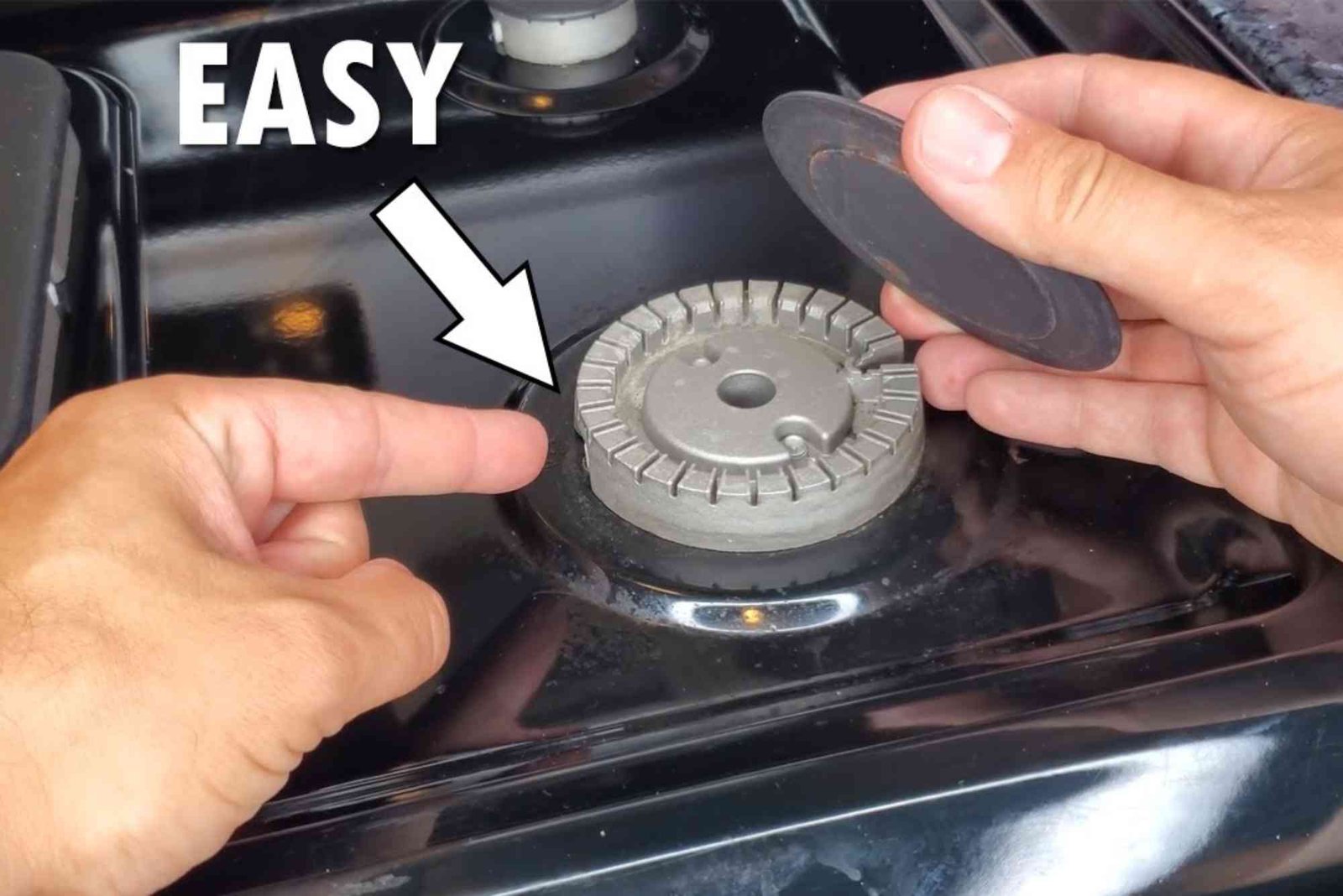
Over time, the pilot orifice can accumulate dust, grease, and food debris. This buildup restricts the gas flow, causing the flame to weaken or extinguish. Cleaning the orifice with a soft brush or compressed air can restore normal function.
Faulty Thermocouple
The thermocouple is a safety device that detects whether the pilot light is burning. If it becomes worn or misaligned, it may incorrectly sense that the flame is out and shut off the gas supply. Replacing or adjusting the thermocouple is often the solution when this is the issue.
Drafts and Airflow Issues
Strong drafts from open windows, vents, or ceiling fans can blow out the pilot light. Ensuring your kitchen is free from strong air currents near the stove will help maintain a steady flame. Proper placement of appliances and avoiding direct airflow on the pilot light are practical preventive measures.
Low Gas Pressure
Inconsistent or low gas pressure can affect the pilot light’s stability. If the gas supply is inadequate, the flame may flicker and eventually go out. Checking with your gas provider or inspecting the gas regulator may reveal pressure issues.
Loose or Damaged Connections
Gas stoves rely on secure connections for safe operation. Loose or damaged gas lines, fittings, or valves can cause interruptions in the gas flow, leading to a pilot light that won’t stay lit. Regular inspection and timely repair by a professional ensure consistent performance.
Worn-Out Ignition System
Older stoves often have ignition systems that deteriorate over time. A worn-out igniter may fail to provide a consistent spark, causing the pilot light to extinguish. Replacing faulty ignition components can resolve this problem.
Moisture or Condensation
In humid climates or during cleaning, moisture can accumulate around the pilot light, temporarily putting it out. Ensuring the area is dry and avoiding excess water near the gas components can prevent this issue.
How to Prevent the Pilot Light from Going Out
Preventive measures are often more effective than constant troubleshooting. Regular maintenance and mindful use can keep your gas stove operating smoothly.
Routine Cleaning
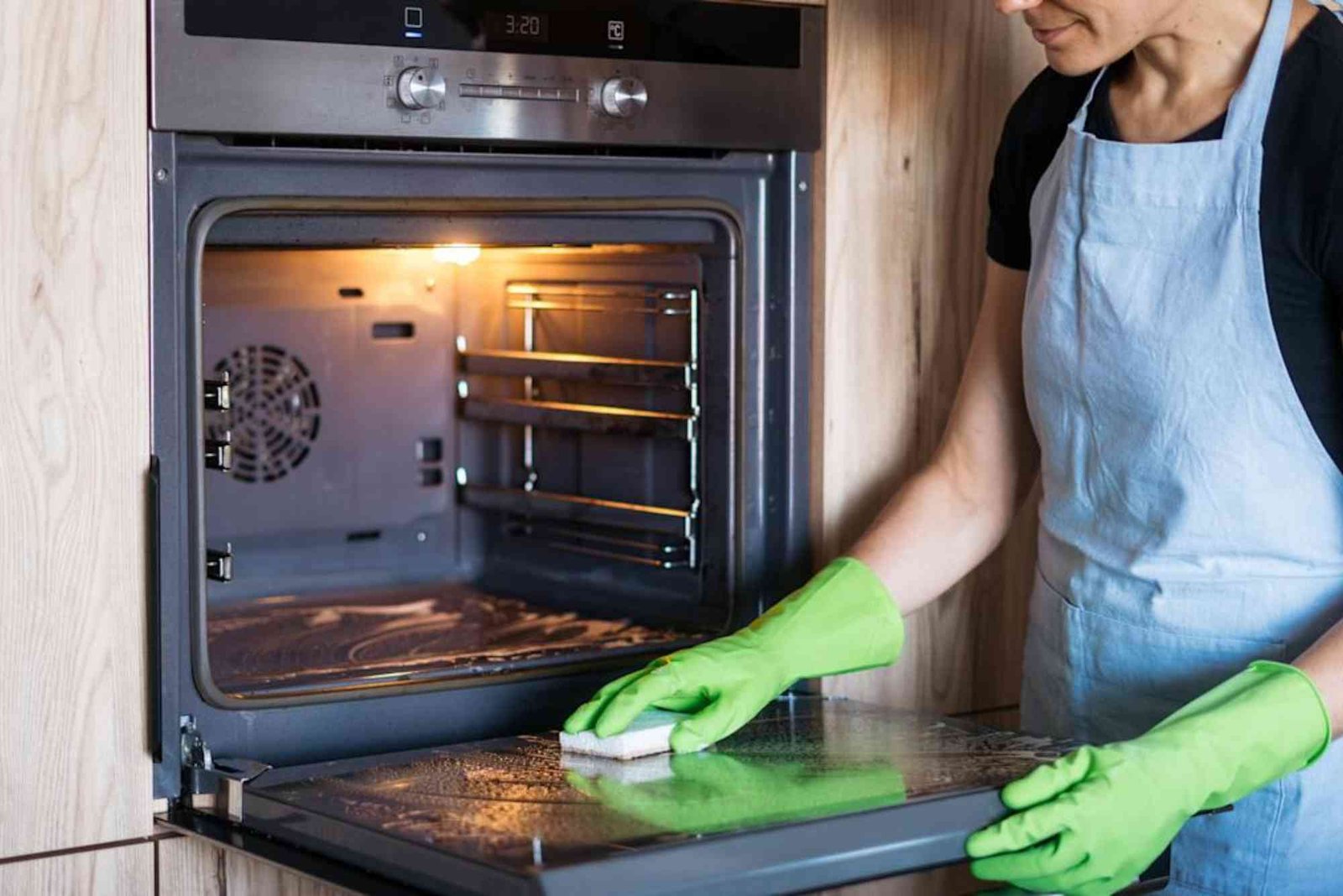
Cleaning your stove, especially around the pilot light, prevents debris from accumulating. Avoid harsh chemicals that could damage components, and use soft brushes or cloths to maintain cleanliness.
Professional Inspection
Scheduling annual inspections with a certified technician ensures that all parts, including the thermocouple, gas lines, and ignition system, are functioning correctly. This proactive approach can prevent unexpected flame outages.
Proper Ventilation
Maintaining adequate ventilation without strong drafts near the stove helps the pilot light remain stable. Positioning the stove away from direct airflow sources is a simple but effective preventive measure.
Correct Gas Pressure
Monitoring gas pressure and ensuring your regulator is in good condition reduces flame instability. If you notice irregularities, contact your gas provider immediately.
Timely Component Replacement
Replacing worn-out components before they fail ensures uninterrupted operation. Thermocouples, igniters, and pilot orifices can all be replaced relatively easily by a professional.
Signs That You Need Expert Help
While some minor pilot light issues can be fixed at home, certain signs indicate that professional intervention is necessary. Persistent flame outages, unusual gas odors, or hissing sounds should never be ignored.
Homeowners should avoid tampering with gas lines themselves, as this can be dangerous. Certified technicians can safely diagnose and repair problems, ensuring both safety and long-term functionality.
Understanding the Causes of Gas Stove Pilot Light Going Out allows you to troubleshoot effectively and maintain a safe cooking environment. From dirty orifices to faulty thermocouples and airflow issues, there are multiple reasons your pilot light may extinguish. Regular maintenance, proper ventilation, and timely professional inspections can keep your stove operating efficiently.
For more insights on household maintenance and related topics, explore our Related Metal Detectors article.
If you want to ensure your appliances are always functioning at their best, don’t wait—Learn more about expert services today.
FAQ Section
Why does my gas stove pilot light keep going out?
The pilot light may go out due to a dirty or clogged orifice, faulty thermocouple, low gas pressure, drafts, or worn-out ignition components.
Can I relight the pilot light myself?
Yes, minor relighting can be done safely by following the manufacturer’s instructions. However, persistent outages require professional inspection.
Is a flickering pilot light dangerous?
Yes. A flickering or weak flame can lead to gas leaks. Turn off the stove and contact a technician immediately.
How often should I clean the pilot light?
Cleaning once or twice a year is generally sufficient, but more frequent cleaning may be necessary in kitchens with heavy cooking or grease buildup.
What role does the thermocouple play?
The thermocouple detects if the pilot light is on. A faulty thermocouple can mistakenly shut off the gas supply, causing the pilot light to go out.
Can drafts really put out the pilot light?
Yes. Even minor drafts from windows, vents, or fans can extinguish the pilot light. Proper kitchen ventilation can prevent this.
For more tips on maintaining your household appliances, check out our Causes of Gas Stove Pilot Light Going Out section.