Introduction
An oven that bakes unevenly can ruin meals and waste ingredients. Cakes rise unevenly, cookies burn on one side, and casseroles cook inconsistently. Many home cooks face this frustrating issue. Understanding how to fix an oven that bakes unevenly can restore your confidence in the kitchen and improve cooking results.
Uneven baking often happens due to temperature imbalance, poor airflow, or worn oven components. Fortunately, many causes are simple to diagnose and repair. With the right troubleshooting approach, you can identify the problem and restore even heat distribution.
This guide explains how to fix an oven that bakes unevenly using practical, proven solutions. You will learn how ovens distribute heat, why uneven baking occurs, and how to solve the problem safely. By the end, your oven will perform more reliably and produce consistent baking results.
If you want more technical appliance guidance, you can also How to Fix an Oven That Bakes Unevenly related repair tips and maintenance resources online.
Understanding Why Ovens Bake Unevenly
Before learning how to fix an oven that bakes unevenly, it helps to understand how ovens work. Most household ovens heat food using electric elements or gas burners. These heating sources warm the oven cavity and create circulating hot air.
However, ovens rarely heat perfectly evenly without proper airflow. Heat rises naturally, and some areas become hotter than others. This effect becomes worse if parts of the oven malfunction or airflow becomes blocked.

In many cases, uneven baking happens because heat cannot circulate properly. Food placed too close to heating elements can cook faster. Dirty ovens or damaged seals can also create temperature variations. Understanding these causes makes it easier to diagnose the issue.
Professional appliance technicians often start by checking airflow and calibration. Home cooks can follow similar troubleshooting steps. By examining each component, you can discover how to fix an oven that bakes unevenly and prevent future cooking problems.
Temperature Calibration Problems
One common reason ovens bake unevenly is incorrect temperature calibration. Even modern ovens can drift away from their set temperature over time. When the internal thermostat becomes inaccurate, the oven may run hotter or colder than expected.
This issue affects baking consistency. Cakes may brown too quickly on the outside while remaining raw inside. Bread may develop uneven crusts or cook faster on one side. Learning how to fix an oven that bakes unevenly often starts with checking the temperature.
An oven thermometer provides a simple solution. Place the thermometer in the center of the oven and preheat to a standard temperature. Compare the reading with the oven setting. If the difference exceeds ten to fifteen degrees, recalibration may be necessary.
Many modern ovens allow temperature adjustments through the control panel. Older ovens may require manual calibration or professional service. Accurate temperature settings greatly improve baking consistency.
For additional appliance maintenance advice, you can always Learn more from reliable technology and home repair resources.
Poor Heat Circulation Inside the Oven
Heat circulation plays a critical role in baking performance. When hot air cannot move freely, some parts of the oven become hotter than others. This imbalance creates uneven baking results.
Blocked airflow often happens when pans are overcrowded. Large trays placed close together prevent heat from circulating properly. As a result, food positioned near hot spots cooks faster than food in cooler areas.
Understanding how to fix an oven that bakes unevenly includes arranging cookware correctly. Leave enough space between baking trays so air can circulate freely. Position food near the center rack whenever possible.
Some ovens include convection fans that circulate hot air. If the fan stops working, heat distribution becomes uneven. Checking the convection fan ensures your oven maintains balanced airflow and consistent baking temperatures.
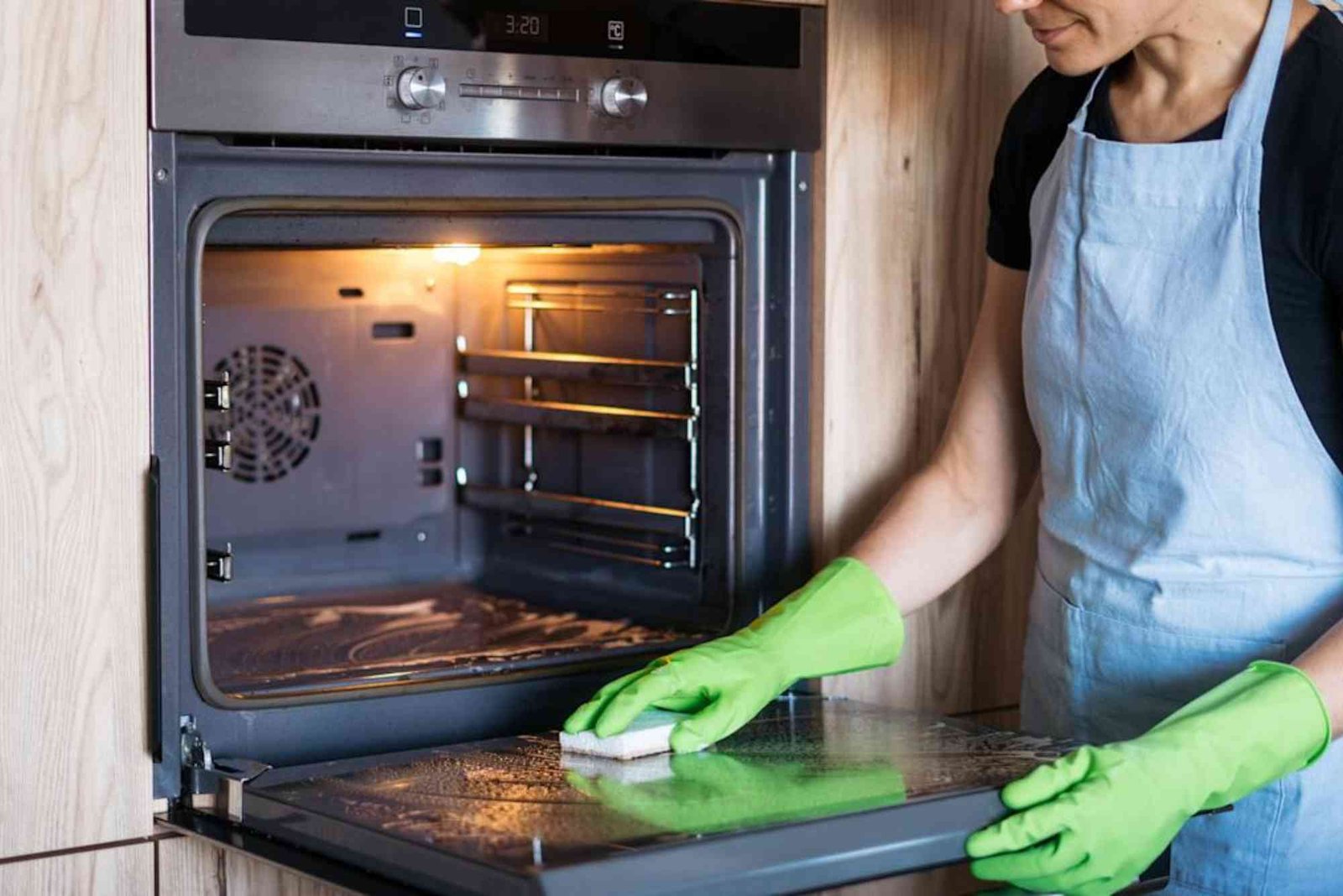
Regular cleaning also improves airflow. Grease buildup and debris can block vents inside the oven cavity. Cleaning these areas helps maintain proper heat circulation.
Faulty Heating Elements
Heating elements generate the heat required for baking. Electric ovens typically contain two elements. One sits at the bottom for baking. The other sits at the top for broiling.
If one element fails, heat distribution becomes uneven. The oven may appear to work, but cooking results will vary dramatically. Understanding how to fix an oven that bakes unevenly often involves inspecting these elements.
A damaged heating element may show visible signs of wear. You might notice blistering, cracks, or uneven glowing when the oven operates. A weak element cannot generate enough heat to maintain stable temperatures.
Replacing a faulty heating element usually solves the problem quickly. Replacement parts are widely available and relatively affordable. Many homeowners can install new elements using simple tools.
However, safety remains important. Always disconnect the oven from power before inspecting or replacing heating components.
Oven Rack Placement and Cooking Position
Rack placement can significantly influence baking performance. Many people overlook this factor when diagnosing uneven baking problems. Yet improper positioning can easily create hot or cold spots.
When baking, the center rack typically provides the most balanced heat exposure. Placing food too close to the top element may cause excessive browning. Placing it too low may produce undercooked results.
Learning how to fix an oven that bakes unevenly includes adjusting rack placement based on the recipe. Cakes and cookies bake best on the center rack. Roasts and casseroles may require lower rack positions.
Rotating baking trays during cooking also improves results. Many professional bakers rotate pans halfway through baking. This technique helps compensate for natural heat variations inside the oven.
Even with modern ovens, rotation remains a simple method to ensure consistent cooking.
Worn Door Seals and Heat Loss
Oven door seals maintain stable internal temperatures. These rubber or silicone gaskets prevent heat from escaping during cooking. When seals wear out, hot air leaks from the oven.
Heat loss causes uneven cooking and longer baking times. The oven must work harder to maintain temperature. As a result, some areas heat faster than others.
Examining the door gasket helps identify this problem. If the seal looks cracked, loose, or flattened, it may need replacement. Replacing the gasket restores heat retention and improves baking consistency.
Understanding how to fix an oven that bakes unevenly sometimes involves simple maintenance tasks like this. A properly sealed oven maintains stable heat and cooks food evenly.
Dirty or Blocked Oven Sensors
Modern ovens rely on temperature sensors to control heat levels. These sensors monitor internal conditions and signal the heating elements when adjustments are needed.
When sensors become dirty or misaligned, temperature regulation becomes inaccurate. The oven may cycle heat unevenly or shut off heating elements prematurely.
Cleaning the temperature sensor can help restore accuracy. Most sensors sit along the back wall inside the oven. Gently wiping the sensor removes grease and residue that interfere with readings.
Proper sensor function plays a major role in understanding how to fix an oven that bakes unevenly. Accurate readings allow the oven to maintain consistent temperatures throughout the cooking process.
When Professional Repair Is Necessary
While many uneven baking issues are easy to fix, some problems require professional assistance. Internal wiring faults, electronic control failures, or gas burner issues may require trained technicians.
If troubleshooting steps fail to resolve the problem, professional diagnosis becomes the safest option. Appliance repair specialists can test internal components and ensure the oven operates correctly.
Professional servicing also prevents further damage. Attempting complex repairs without proper knowledge can create safety risks.
Homeowners who understand how to fix an oven that bakes unevenly can often resolve simple issues themselves. However, recognizing when expert help is necessary ensures long-term appliance reliability.
Preventing Uneven Baking in the Future
Prevention plays a major role in maintaining consistent oven performance. Regular maintenance reduces the likelihood of uneven baking problems.
Cleaning the oven regularly removes grease buildup and debris. Checking heating elements ensures they remain in good condition. Inspecting door seals helps maintain heat retention.
Using an oven thermometer periodically confirms accurate temperature calibration. Small adjustments can prevent major cooking issues.
Understanding how to fix an oven that bakes unevenly also means adopting better baking habits. Proper pan placement, tray rotation, and airflow awareness all contribute to consistent results.
Even simple changes in cooking technique can dramatically improve baking performance.
Related Home Tips and DIY Knowledge
Learning about appliance maintenance helps homeowners solve many kitchen problems. Simple DIY solutions often prevent expensive repairs and extend appliance lifespan.
For example, if you enjoy practical household guides, you might find this Related Blog article helpful for creative DIY projects.
Expanding your home maintenance knowledge can save time and money. It also makes everyday household tasks easier to manage.
Frequently Asked Questions
Why does my oven cook food unevenly?
Ovens cook unevenly when heat cannot circulate properly. Faulty heating elements, incorrect rack placement, or temperature calibration issues often cause the problem. Understanding how to fix an oven that bakes unevenly starts with identifying these heat distribution issues.
Can a thermostat cause uneven baking?
Yes, a faulty thermostat often causes uneven baking. If the oven temperature fluctuates, food may cook faster in certain areas. Calibrating or replacing the thermostat helps restore consistent heat.
Should I rotate food in the oven?
Rotating food during baking helps balance natural temperature variations. Many ovens develop hot spots. Turning trays halfway through cooking ensures more even results.
How do I know if my heating element is bad?
A damaged heating element may glow unevenly or fail to heat fully. Visible cracks or blistering also indicate damage. Replacing the element is often necessary to fix uneven baking.
Uneven baking can be frustrating, but most causes are easy to identify and fix. Temperature calibration, airflow problems, damaged heating elements, and worn seals often contribute to the issue. Once you understand how to fix an oven that bakes unevenly, troubleshooting becomes much easier.
Regular maintenance and proper cooking techniques also improve oven performance. Checking temperature accuracy, cleaning internal components, and arranging cookware correctly all help create consistent results.