
Introduction
A sudden fuse trip while using your oven can be alarming, especially when you are in the middle of cooking a meal. Many homeowners and cooking enthusiasts wonder, “Why does an oven cause fuses to trip when heating?” This problem is more common than you might think and often points to underlying electrical or appliance issues. Understanding why this happens not only helps you prevent potential damage but also ensures the safety of your home. In this article, we will explore the main causes, practical solutions, and preventive tips to keep your oven running smoothly.
Common Causes of Oven Fuses Tripping
Electrical appliances like ovens draw significant power, and fuses are designed to protect your home’s wiring. When a fuse trips, it signals that there is an overload or a short circuit somewhere. One of the most frequent reasons an oven causes fuses to trip is excessive current draw during heating. The oven’s heating elements require a high voltage, and if the circuit is already near its limit, the fuse will act as a safety barrier.
Another common culprit is a short circuit within the oven itself. Over time, heating elements can develop tiny cracks or contact points, causing electricity to flow in unintended ways. This can create a sudden surge that blows the fuse. Electrical connections in older ovens may also become loose or corroded, leading to similar issues.
Finally, using multiple high-powered appliances on the same circuit as the oven can overload the system. For example, running a microwave or a toaster oven simultaneously might cause the circuit breaker to trip. Identifying the specific cause is essential for a long-term solution, rather than repeatedly replacing fuses.
How Heating Elements Affect Electrical Safety
Heating elements are at the heart of an oven’s operation. When you turn on your oven, the element heats up, converting electricity into thermal energy. This process naturally draws a substantial amount of current, which can stress fuses or circuit breakers if the electrical system isn’t properly rated.
If the oven’s heating element develops a fault, such as a short or partial break, it may cause intermittent surges. These surges trip the fuse, sometimes even before the oven reaches its desired temperature. Additionally, some ovens have multiple elements working simultaneously, like a bake element and a broil element. If both elements engage on a weak circuit, the fuse might not handle the sudden combined load.

Homeowners often overlook the age and condition of their wiring. Older homes may have circuits rated for lower amperage than modern ovens require, increasing the risk of frequent trips. Upgrading the electrical system or dedicating a circuit to the oven can significantly reduce these occurrences.
The Role of Faulty Wiring and Connections
Faulty wiring is another reason your oven may cause fuses to trip. Worn insulation, loose screws, or corroded connections inside the oven or wall socket can create resistance and heat. This added resistance can trigger a fuse or circuit breaker to prevent damage.
Electrical outlets and junction boxes also play a key role. If the wiring connecting the oven to the fuse is not properly secured or has degraded over time, even a small power draw can trip the system. Homeowners should inspect outlets and connections for signs of wear, discoloration, or burn marks. Consulting a licensed electrician is recommended for safety, especially if the oven repeatedly trips fuses despite appearing functional.
How Overloaded Circuits Contribute to Fuse Tripping
Many kitchens have multiple appliances on a single circuit, including refrigerators, microwaves, and dishwashers. Ovens, particularly electric ones, are high-demand devices, and sharing a circuit can create overloads. Even short periods of simultaneous usage can exceed the fuse’s limit.
Circuit overloads are more common in older homes where wiring may not meet current standards. Unlike a short circuit, overloads do not indicate a fault in the appliance itself. However, they can be just as disruptive, causing repeated fuse trips and potential damage to other appliances. Ensuring your oven is on a dedicated circuit is one of the most effective ways to prevent this problem.
Signs That Indicate a Deeper Oven Issue
Repeated fuse trips, unusual smells, or visible sparks are warning signs of a serious electrical issue. If your oven trips fuses frequently, it may indicate internal problems such as a damaged heating element, faulty thermostat, or electrical short.
Listen for unusual noises like buzzing or humming when the oven starts. These sounds can point to a struggling element or a failing relay. Also, inspect the oven for discoloration around elements or wires, which can indicate overheating. Catching these signs early can prevent more severe damage and keep your kitchen safe.
How to Safely Address the Problem
Safety should always come first when dealing with electrical appliances. Before attempting any repair, unplug the oven or switch off the circuit at the breaker. Inspect the heating elements for visible damage or signs of corrosion. Cleaning the elements and ensuring secure connections may solve minor issues.
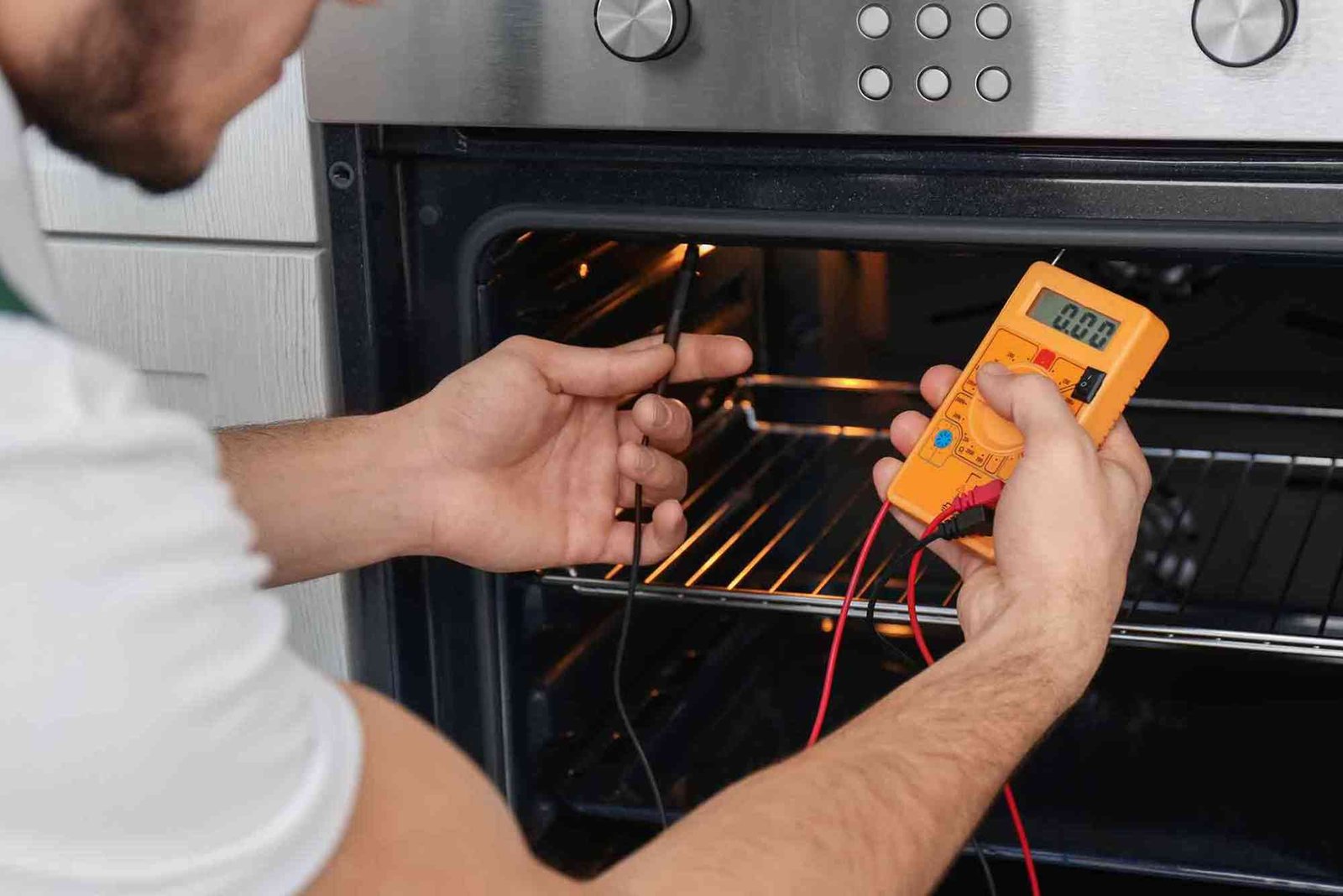
If problems persist, it is wise to call a certified electrician or appliance technician. They can test the oven for internal shorts, measure current draw, and ensure your home wiring can handle the load. This step prevents repeated fuse trips and reduces fire risks. Homeowners in Mountain View or other areas should also check local electrical codes to ensure their installation meets safety standards.
Preventive Tips to Avoid Fuse Trips
Maintaining your oven and electrical system can significantly reduce the likelihood of tripping fuses. Regularly inspect the heating elements, wiring, and outlets for damage. Avoid running multiple high-powered appliances on the same circuit as the oven. Scheduling routine maintenance with a licensed technician can also catch issues before they become serious.
Additionally, consider upgrading older fuses to modern circuit breakers. Circuit breakers reset automatically and are often more reliable for handling high-demand appliances like ovens. Proper planning and awareness of your electrical capacity are key to uninterrupted cooking and overall home safety.
Understanding why an oven causes fuses to trip when heating helps homeowners address the root causes rather than repeatedly replacing fuses. From overloaded circuits to faulty heating elements and wiring issues, there are multiple factors to consider. Regular maintenance, proper usage, and professional inspections can prevent electrical problems and keep your kitchen safe.
If your oven keeps tripping fuses, take action today. Inspect your wiring, ensure a dedicated circuit, and seek professional help when needed. For more insights on managing appliances and home safety, check out our other content like this Related Blog article, or Learn more about proper electrical setups. You can also explore our full range of guides at Why Does an Oven Cause Fuses to Trip When Heating?.
FAQ
Why does my oven trip the fuse immediately when turned on?
Immediate trips often indicate a short circuit in the heating element or a serious wiring fault. Inspect the element and connections.
Can using other appliances cause my oven to trip the fuse?
Yes. Sharing a circuit with high-power devices can overload it and trip fuses when the oven draws maximum current.
Is it safe to keep resetting the fuse?
No. Repeatedly resetting without finding the root cause can lead to overheating, fire, or appliance damage.
Should I replace the fuse or call an electrician?
Call a licensed electrician if trips continue after replacing the fuse. Persistent issues often indicate a deeper electrical problem.
Do older ovens trip fuses more often?
Yes. Aging elements, worn wiring, and outdated circuits make older ovens more prone to tripping fuses.