
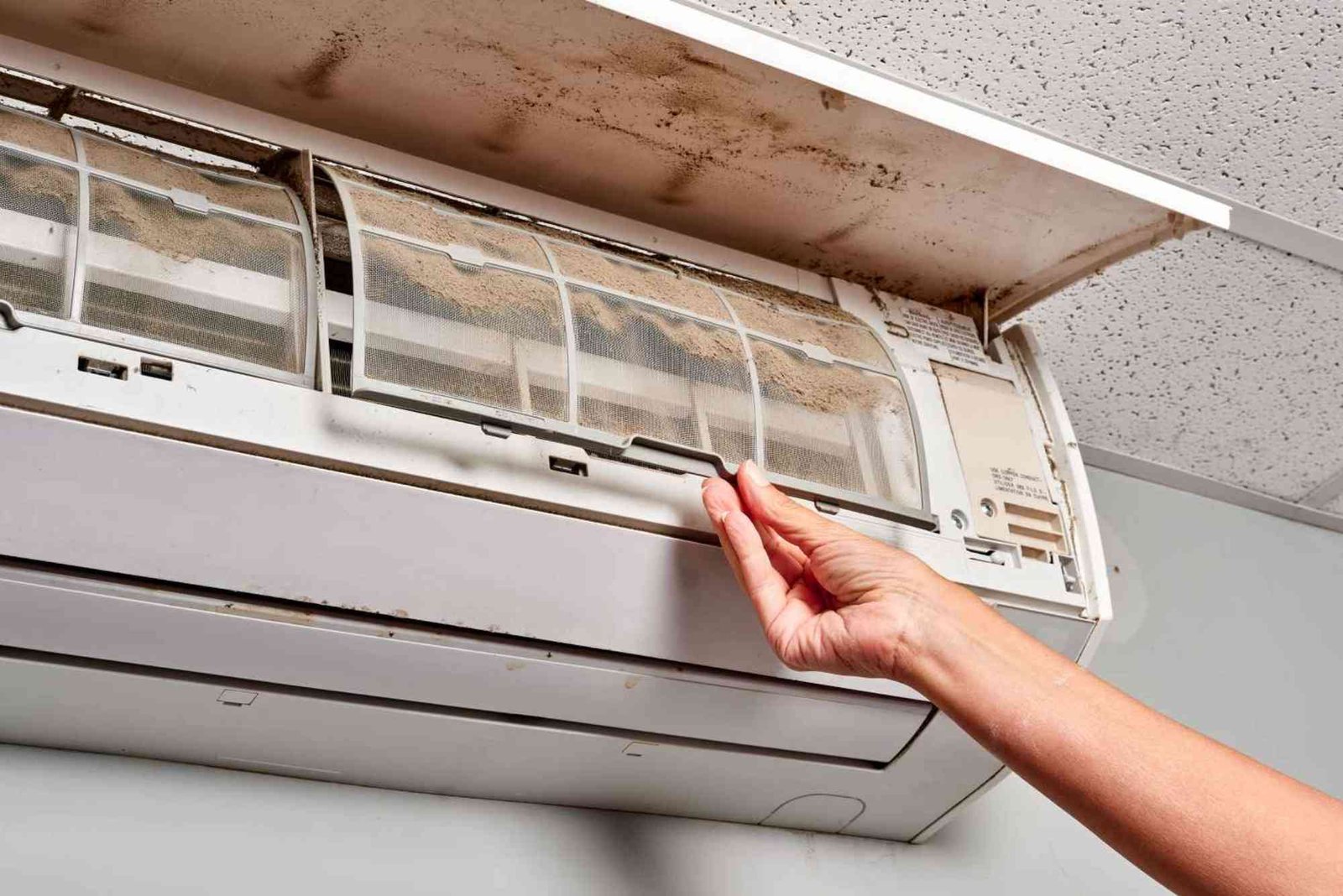
Air conditioning units are essential for maintaining comfort in our homes and workplaces. However, many people underestimate the impact of dust buildup on an AC’s performance. Dust accumulation can cause your air conditioner to overheat, reduce efficiency, and even lead to costly repairs. Understanding How To Prevent Ac Overheating Due To Dust is crucial for extending the life of your system and ensuring consistent cooling. In this article, we will explore practical tips and techniques to keep your air conditioner running smoothly.
Understanding How Dust Affects Your AC
Dust may seem harmless, but its impact on air conditioning units is significant. When dust collects on the AC’s coils, filters, and internal components, it restricts airflow. This forces the system to work harder, generating excess heat and eventually leading to overheating. Over time, the dust can cause components like the fan motor and compressor to fail. Not only does this affect cooling efficiency, but it also increases electricity consumption and the likelihood of expensive maintenance.
Additionally, dust can carry allergens and microbes, reducing indoor air quality. Regular maintenance and cleaning help mitigate these risks, ensuring your AC functions safely and efficiently.
Regular Maintenance to Prevent Overheating
Maintaining your air conditioner regularly is one of the most effective ways to prevent dust-related overheating. Start by checking the air filter monthly. Clogged filters block airflow, forcing the system to overwork. Replacing or cleaning filters every 30 to 60 days can make a noticeable difference in cooling performance and energy consumption.
Professional maintenance is equally important. Scheduling annual inspections ensures that all internal components, including coils and ducts, are free of dust and debris. Technicians can detect early signs of overheating or damage before they escalate into serious problems. Preventive care not only improves efficiency but also extends the lifespan of your AC unit.
Cleaning AC Components Effectively
Keeping the internal components clean is vital for preventing overheating. The evaporator and condenser coils are particularly susceptible to dust accumulation. Use a soft brush or vacuum to gently remove dust from these surfaces, taking care not to damage delicate fins. Dirty coils reduce heat exchange, which forces the compressor to work harder and generate more heat.

Drain pans and condensate lines can also collect dust and grime, leading to water buildup and potential electrical issues. Regularly flushing the lines with a mild cleaning solution ensures smooth drainage and prevents additional stress on your system. Proper cleaning techniques reduce overheating risk and enhance overall cooling efficiency.
Improve Indoor Air Quality to Reduce Dust
The quality of indoor air directly affects how much dust reaches your AC. Maintaining a clean environment reduces the amount of debris that can enter the system. Regular vacuuming, dusting, and keeping windows closed during high pollen seasons can significantly minimize dust accumulation.
Consider using air purifiers to capture airborne particles before they reach the AC intake. Plants with air-purifying qualities can also help reduce dust and improve indoor air quality naturally. A cleaner environment means less strain on your air conditioner, making it easier to maintain optimal performance.
Positioning and Ventilation Tips
The location and ventilation of your air conditioning unit play a role in preventing dust buildup. Ensure that the outdoor condenser unit is not placed near dusty areas or debris-prone surfaces. Leaves, dirt, and other particles can accumulate quickly, obstructing airflow and causing the unit to overheat.
Indoor units should also have adequate clearance around vents. Avoid placing furniture or decorative items close to airflow paths, as this can trap dust and reduce circulation. Proper ventilation not only prevents overheating but also allows the AC to distribute cool air more effectively.
Using High-Quality Filters and Upgrades
Investing in high-quality air filters can significantly reduce the amount of dust entering your AC system. HEPA or electrostatic filters trap finer particles that standard filters may miss, preventing them from settling on coils and other components.
Some homeowners also upgrade to self-cleaning or washable filters for long-term convenience. While the initial cost may be higher, these filters reduce maintenance frequency and minimize overheating risks. Pairing high-quality filters with regular cleaning routines ensures your AC operates efficiently year-round.
Signs Your AC is Overheating
Recognizing the early signs of AC overheating can save you from major repairs. Common indicators include warm air blowing despite the thermostat being on, unusual noises from the unit, and frequent system shut-offs. If you notice any of these symptoms, check for dust accumulation on the filter and coils. Prompt cleaning and maintenance can often resolve the issue before it escalates.
Ignoring these signs may lead to more severe damage, such as compressor failure, which is costly to repair. Regular monitoring and preventive care are key to avoiding such scenarios.
Benefits of Preventing AC Overheating
Preventing AC overheating provides several advantages beyond comfort. First, it prolongs the life of your air conditioner by reducing strain on critical components. Second, it improves energy efficiency, lowering monthly electricity bills. Third, a clean and well-maintained system improves indoor air quality, contributing to a healthier living environment.
Moreover, routine care reduces the likelihood of emergency repairs, which are often expensive and inconvenient. Investing time in dust prevention today saves money, energy, and stress in the long run.
Keep Your AC Dust-Free for Optimal Performance
Preventing AC overheating due to dust is a matter of consistent maintenance, proper cleaning, and mindful operation. Regularly checking filters, cleaning coils, maintaining indoor air quality, and using high-quality filters are practical steps that protect your system from overheating. By following these tips, you can enjoy reliable cooling, lower energy bills, and longer-lasting AC units.
Take action today to ensure your air conditioner remains dust-free. For detailed guidance and related maintenance advice, check out our Related Blog article or explore more tips on How To Prevent AC Overheating Due To Dust. For trusted tools and supplies, Learn more to keep your AC in top condition.
FAQ: Practical Tips for AC Dust Prevention
How often should I clean my AC filter to prevent overheating?
It’s recommended to clean or replace your AC filter every 30 to 60 days. High dust environments may require more frequent maintenance.
Can dust buildup cause permanent damage to my AC?
Yes, prolonged dust accumulation can strain the compressor and fan, leading to overheating and potential component failure.
Are professional AC inspections necessary?
Absolutely. Annual professional inspections ensure coils, ducts, and other parts remain clean, preventing overheating and costly repairs.
What is the best way to reduce dust in my home for AC efficiency?
Regular cleaning, vacuuming, and using air purifiers help reduce indoor dust. Keeping windows closed during dusty or pollen-heavy seasons also helps.
Do high-quality filters really make a difference?
Yes, HEPA or electrostatic filters capture finer particles, reducing dust accumulation and improving both AC performance and air quality.
Related Reading: Practical Tips: Online Baccarat vs Traditional Baccarat