
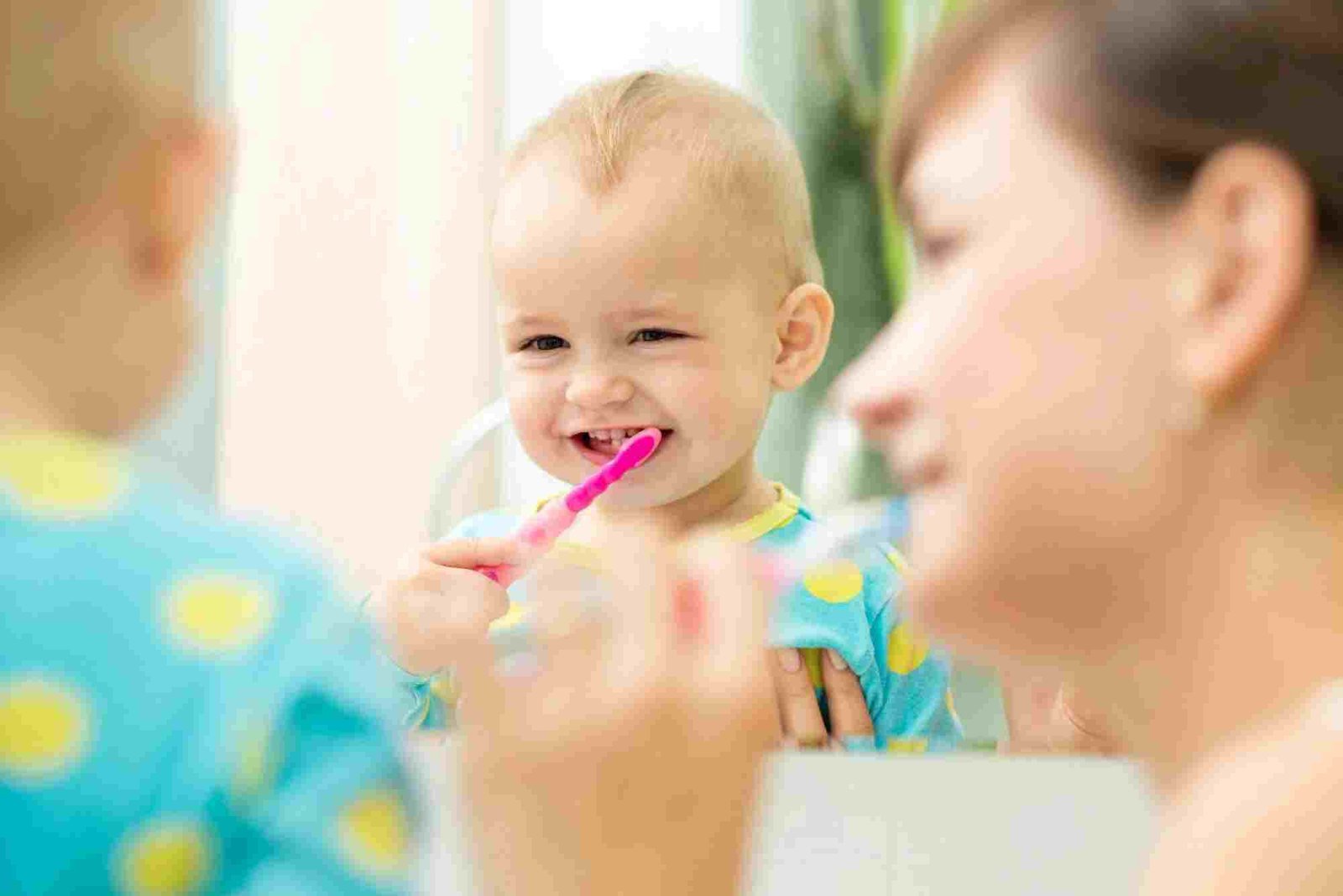
Practical Tips: Do Babies Need Toothpaste For Teeth Care
Caring for your baby’s teeth may seem simple, but it raises many questions for new parents. One of the most common concerns is whether babies need toothpaste at all. Understanding the right approach can protect your child from cavities and promote healthy oral habits early on. In this guide, we’ll provide practical tips on how to care for your baby’s teeth safely and effectively.
Understanding Baby Teeth
Why Baby Teeth Matter
Baby teeth, also known as primary teeth, play a vital role in chewing, speaking, and guiding permanent teeth. Healthy baby teeth help prevent misalignment and dental problems later in life.
When Baby Teeth Appear
Typically, the first teeth appear around six months, starting with the lower central incisors. By age three, most children have a full set of 20 primary teeth. Early oral care is crucial even before all teeth emerge.
Do Babies Need Toothpaste?
The Role of Toothpaste
Toothpaste contains fluoride, which helps strengthen enamel and prevent cavities. However, for babies under one year, fluoride exposure should be minimal to avoid the risk of dental fluorosis.
Age-Based Toothpaste Guidelines
-
Birth to 6 Months: Use a soft, damp cloth to clean gums. Toothpaste is not necessary.
-
6 Months to 1 Year: Begin brushing emerging teeth with a tiny smear of fluoride toothpaste, about the size of a grain of rice.
-
1 to 3 Years: Use a pea-sized amount of fluoride toothpaste and supervise brushing to ensure safe swallowing.

Choosing the Right Toothpaste
Look for toothpaste labeled safe for infants. Avoid toothpaste with strong flavors or high fluoride concentration. Some pediatric dentists recommend natural fluoride-free options for very young children until they learn to spit.
Brushing Techniques for Babies
Proper Brushing Method
Use a soft-bristled baby toothbrush. Do Babies Need Toothpaste For Teeth Care Gently brush all surfaces of teeth in circular motions. Focus on the gum line where bacteria tend to accumulate.
Frequency of Brushing
Brush your baby’s teeth twice daily, ideally in the morning and before bedtime. Consistent brushing habits reduce the risk of decay and set the stage for lifelong oral hygiene.
Cleaning the Gums
Even before teeth appear, gently wipe your baby’s gums with a soft cloth or silicone finger brush. This removes bacteria and helps your baby get used to oral care routines.
Common Mistakes to Avoid
Overusing Toothpaste
Too much fluoride can cause dental fluorosis. Always measure the recommended amount based on your baby’s age.
Neglecting Nighttime Cleaning
Bacteria build up during the night. Skipping bedtime brushing increases the risk of cavities, especially if your baby consumes milk or juice before bed.
Sharing Utensils
Avoid sharing spoons or cleaning pacifiers with your mouth. Related Automobile article This can transfer cavity-causing bacteria to your baby’s teeth.
Additional Tips for Healthy Baby Teeth
Balanced Diet
Limit sugary snacks and drinks. Offer water between meals to reduce acid attacks on teeth. Include foods rich in calcium and vitamins for strong teeth.
Regular Dental Checkups
Schedule your baby’s first dental visit by age one. Pediatric dentists can guide you on brushing techniques, fluoride use, and preventive care.
Encourage Positive Habits
Make brushing fun with songs or colorful toothbrushes. Positive experiences at a young age build a foundation for consistent oral care.
Related Oral Health Practices
While focusing on dental care, parents often overlook connections to overall health. For instance, certain habits and routines impact both oral and systemic health. You can explore our related automobile article for insights into safe routines that improve daily habits for families on the go.
Caring for your baby’s teeth is more than just brushing—it’s establishing healthy habits that last a lifetime. Small steps, such as using the right amount of toothpaste, brushing properly, and scheduling regular dental visits, make a big difference. Start early, be consistent, and monitor your baby’s oral health closely.
For more guidance on safe and effective baby dental care, do not hesitate to learn more and consult your pediatric dentist.
FAQ: Practical Tips: Do Babies Need Toothpaste For Teeth Care
At what age should I start using toothpaste for my baby?
You can start using a tiny smear of fluoride toothpaste when the first tooth appears, usually around six months.
How much toothpaste is safe for infants?
For babies under one year, use a rice-sized amount. For toddlers, a pea-sized amount is sufficient.
Can I use adult toothpaste for my baby?
No, adult toothpaste contains higher fluoride and strong flavors, which are unsafe for babies.
Should I brush my baby’s gums before teeth appear?
Yes, gently wipe gums with a soft cloth or finger brush to remove bacteria and establish a routine.
How often should I brush my baby’s teeth?
Twice a day—morning and bedtime. Supervision ensures safe swallowing and thorough cleaning.
What if my baby swallows toothpaste?
Small amounts are usually safe. Use only recommended amounts and supervise brushing to minimize ingestion.
How do I make brushing fun for my baby?
Use colorful toothbrushes, sing songs, or make brushing a playful routine to encourage cooperation.
Related Reading: Do Babies Need Toothpaste for Oral Care